Fossils and the night sky—two seemingly distant worlds, yet deeply connected. Each fossil is a time capsule, a window into an ancient Earth, just as the stars are glimpses into a distant past. My fascination with these cosmic and earthly timelines has led to an incredible opportunity: Landing Among the Stars exhibition at The Etches Collection Museum,running this July only!
Visitors will not only encounter The Sea Monster—a stunning reminder of prehistoric oceans—but also explore the wonders of the night sky. Through this exhibition, I hope to bridge the depths of the sea with the vastness of space, reminding us that time leaves its marks in stone and light alike.
I’m thrilled to invite you to my upcoming talk at Durlston Country Park, where I’ll share my passion for night sky photography. Whether you’re just starting out or already experienced, I’ll offer practical tips, techniques, and inspiration to help you capture the magic of the night.
During the session, I’ll guide you through 2025’s must-see celestial events—I’ll also discuss the best locations for dark-sky photography and share advice on capturing stunning images of the Milky Way.
Set in the heart of Durlston’s International Dark Sky Reserve, this event will give you the tools and knowledge to take your astrophotography to the next level.
Kevin Ferrioli Night Photography Exhibition in Durlston Country Park Dorset UK
From 30th March to 15 April 2018, Durlston Country Park in Swanange, Dorset-UK, will hold an exhibition about my night photography in Dorset and beyond. The entry is free, experience the magic of the starry nights and learn more about this type of photography.
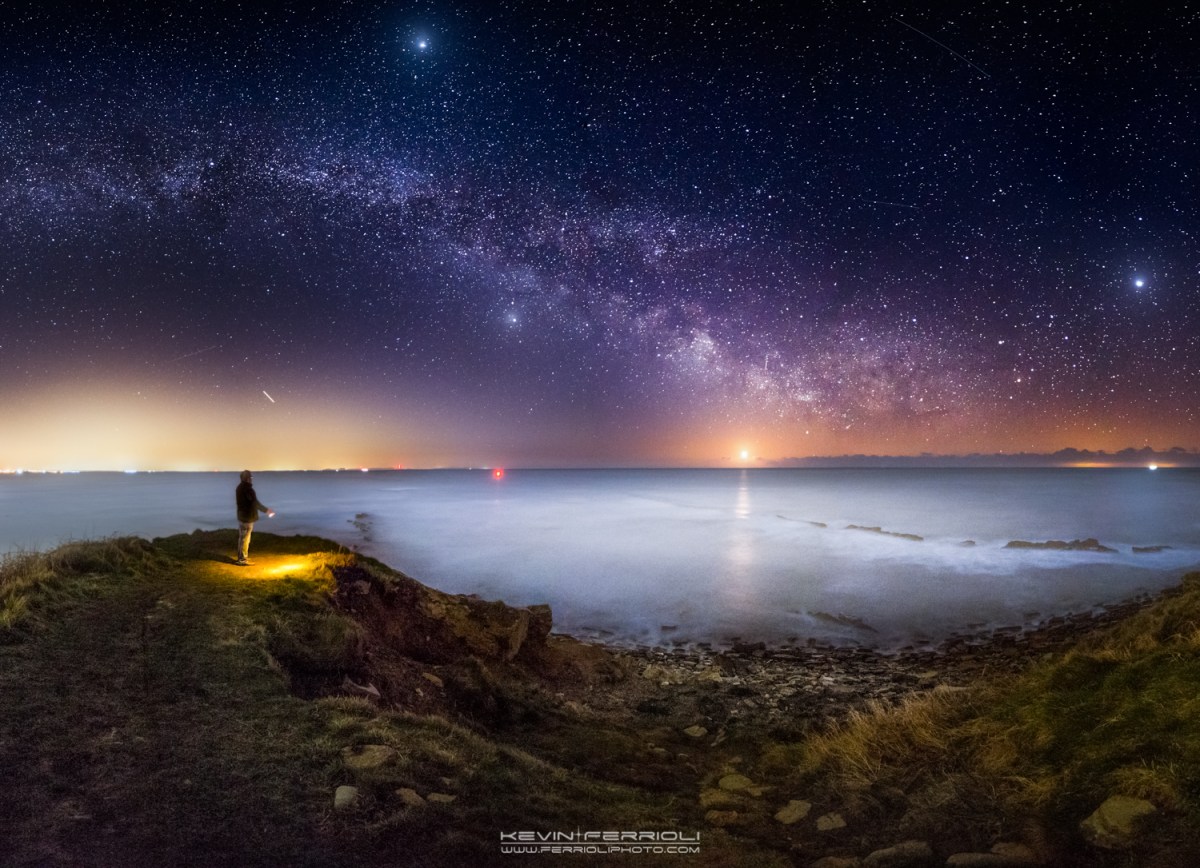
Milky Way and moon rise from Peveril Point in Swanage, Dorset, United Kingdom
As I did last year, I went again to the same place for my first Milky Way, Peveril Point, Swanage, Dorset UK. For my previous attempt, I used a Sigma Art lens 20mm F1.4. The idea was to capture more detailed foregrounds. The lens proved to be excellent for low light but it has four major downsides: first, photos of the night sky taken with this lens were extremely difficult to edit. Second, it is not very good for panoramas, despite I used a nodal head. Third, the autofocus is the worst of any lens that I have ever owned, it is very difficult to capture a sharp photo even with the best light conditions. And fourth, the lens profile in Lightroom is terrible, it makes the images worse. I was not bothered by the astigmatism distortion of the corners which virtually disappeared in panoramas. Overall, I was not happy with the lens, I felt I wasted my last year trying to use it. So I went back to my trustworthy Samyang lens 14mm F2,8. Coupled with the Canon 6D, still my preferred choice. I have not tested the Sigma 14mm F2 yet, but given the price, I will stick with my Samyang.
Below is the process used to create it. It is a panorama of 7 photos, Canon 6d and Samyang 14mm F2.8, ISO between 4000 and 5000. Each photo is 25 secs. Stitched in Adobe Lightroom.
Peveril Point Swanage Milky Way: 7 images highlighted below and stitched in Abobe Lightroom.
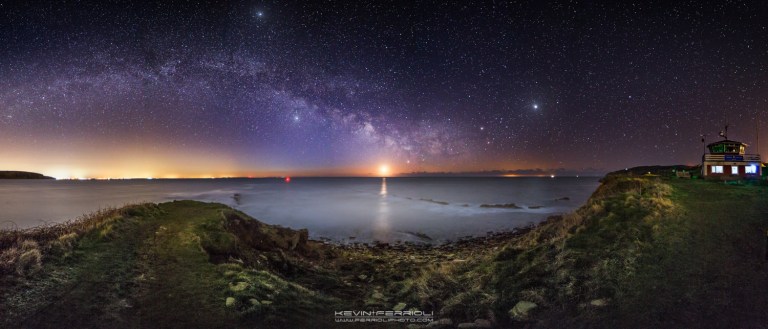
I also took another one without me, and here is the result:
Swanage Peveril Point Milky Way. Dorset United Kingdom. Canon 6d Mk1 Samyang 14mm F2.8. Panorama of 8 photos. 25 Secs each ISO 4000.
The moon rise was spectacular, one of the most beautiful rises from the sea, it was also so dim that allowed to capture the Milky Way up to the last minute before the astronomical dawn. Again, I thank you the nature for this beautiful experience.
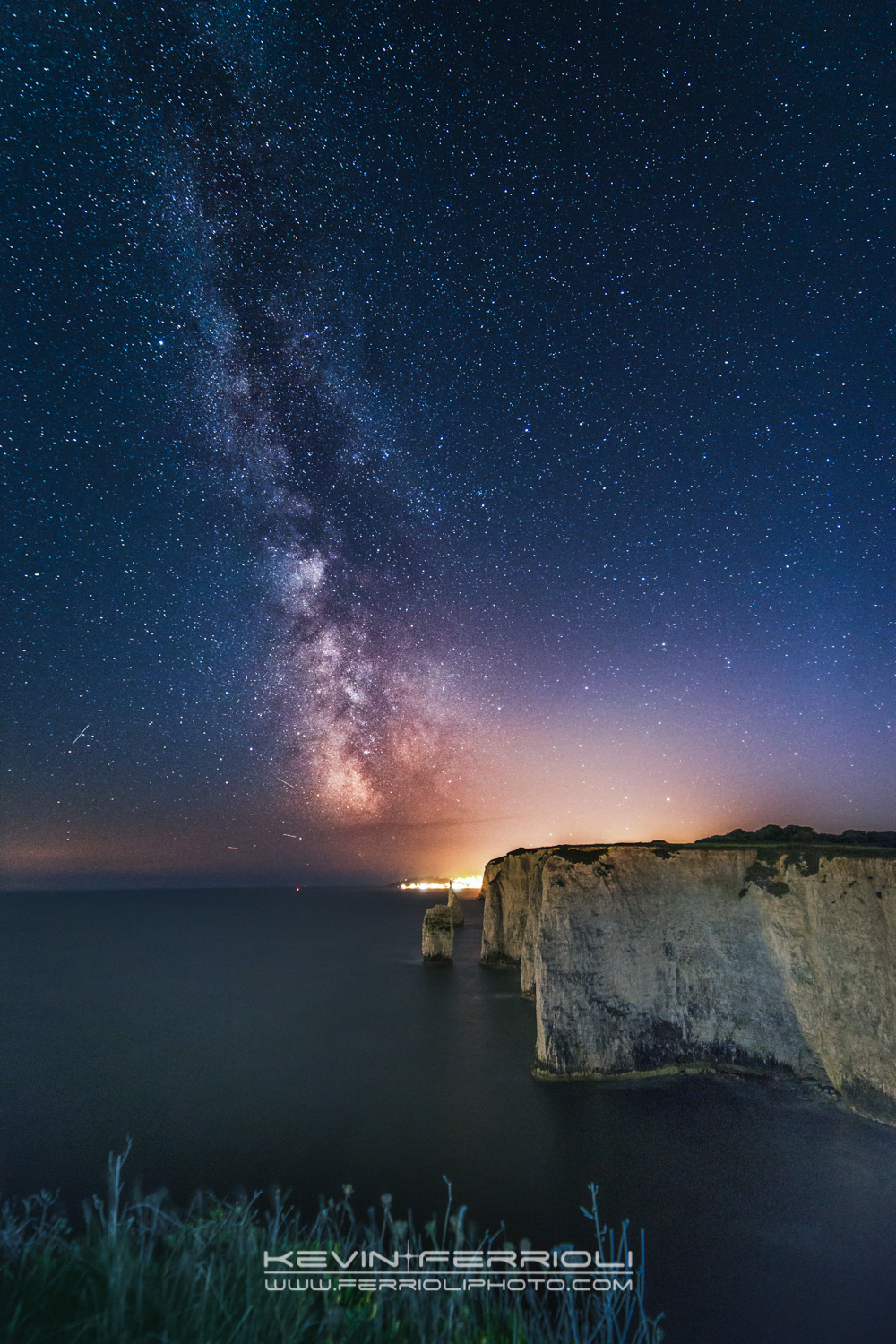
Back in 2015, end of what we call the Milky Way season (that in reality means end of the visibility of the galactic core!), I headed towards the Jurassic Coast, specifically to a beautiful chalk formations. Old Harry Rocks are located in the Isle of Purbeck, Dorset, United Kingdom. This was a really windy night, and the location very, very dangerous. I was sat all time as a gust of wind could have easily pushed me to death. I wasn’t sure that I was going to get the photo due to the light pollution coming from Swanage. I took several images at different exposures, my Canon 6d Mk1 and Samyang 14mm F2.8 as the resource, with occasional shots with the Canon 24-105 F4 series L. No tracker, only pushing the trigger. I have to say, I was really pleased with the result.
Milky Way from Old Harry Rocks, Isle of Purbeck, Dorset UK. Canon 6D MK1 Samyang 14mm F2.8 Single Exposure.
This year 2017, started with big expectations, always trying to be realistic too about what it could be achieved, as the windows of opportunities in the UK are extremely reduced…so every clear night is so precious, to the point that if I miss one window(a clear moonless night ), I feel like I just wasted my time by doing something else. It is a journey, and a great learning experience and it has become a religion.
Radar Monument St Aldhelm’s Head Milky Way – Dorset Milky Way Photography UK
St Aldhelm’s Chapel – Dorset Milky Way Photography UK
Studland Beach Milky Way – Dorset Milky Way Photography UK
Moonrise Boscome Beach Dorset UK
Lyrid Meteor and Milky Way – Dorset Milky Way Photography UK
Durlston Country Park Milky Way – Dorset Milky Way Photography UK
Moon and Jupiter above Bournemouth Pier Dorset UK
Lulworth Cove Milky Way – Dorset Milky Way Photography UK
Man O’War Milky Way – Dorset Milky Way Photography UK
Man O’War Milky Way – Dorset Milky Way Photography UK
Man O’War Milky Way – Dorset Milky Way Photography UK
Man O’War Milky Way – Dorset Milky Way Photography UK
Kimmeridge and Thunderstorm Milky Way – Dorset Milky Way Photography UK
Kimmeridge Thunderstorm Dorset UK
Durlston Country Park Milky Way – Dorset Milky Way Photography UK


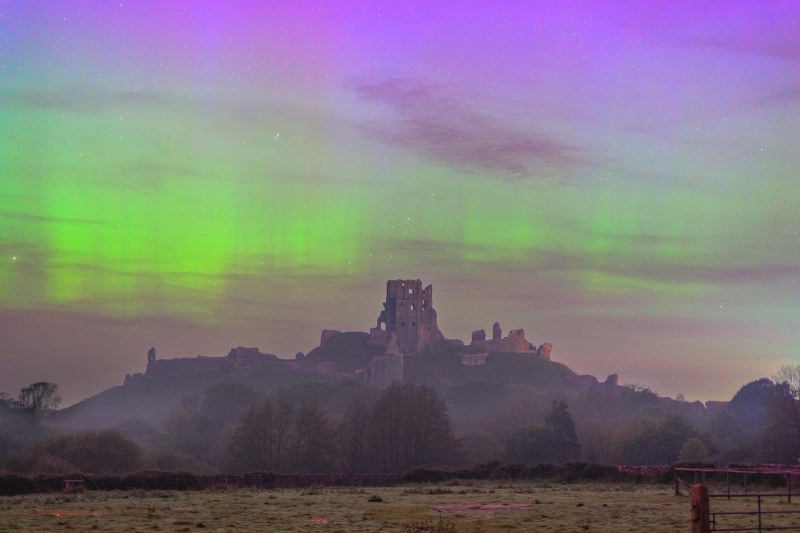
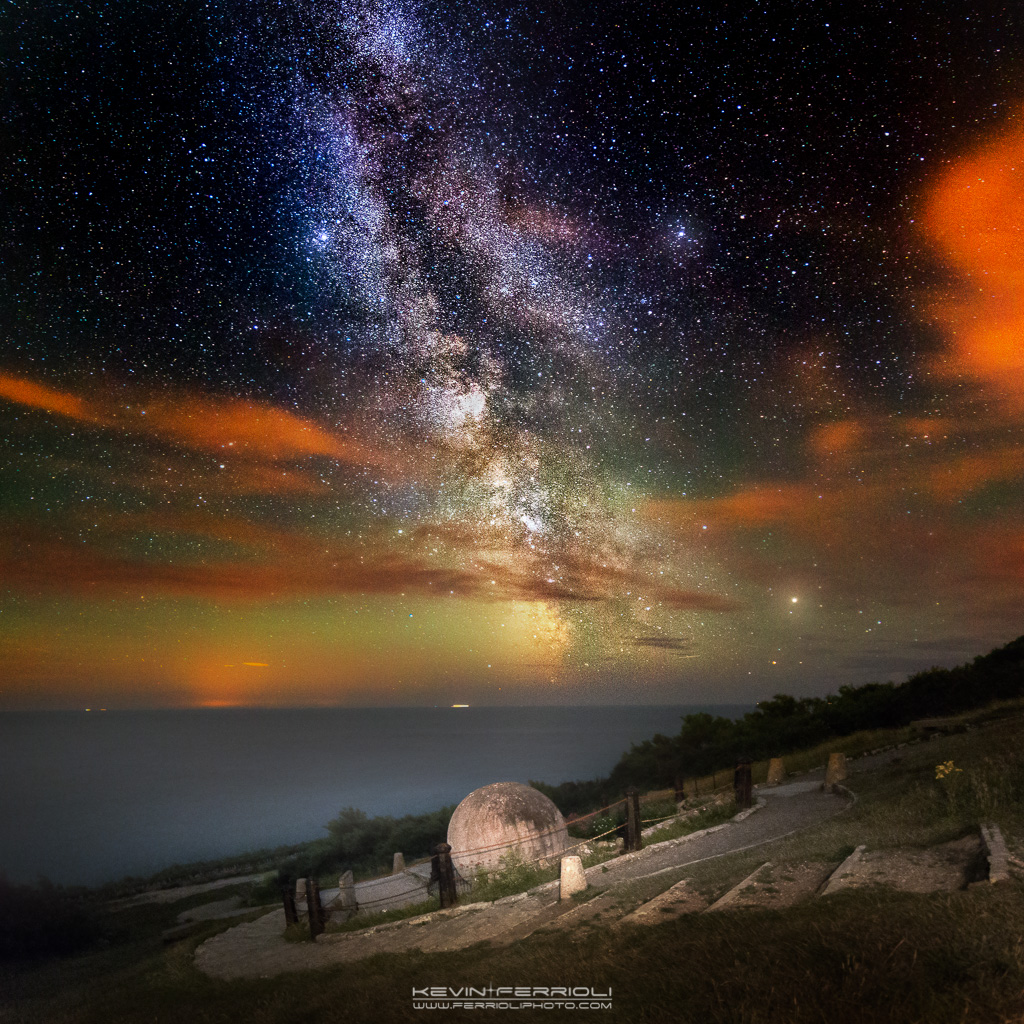

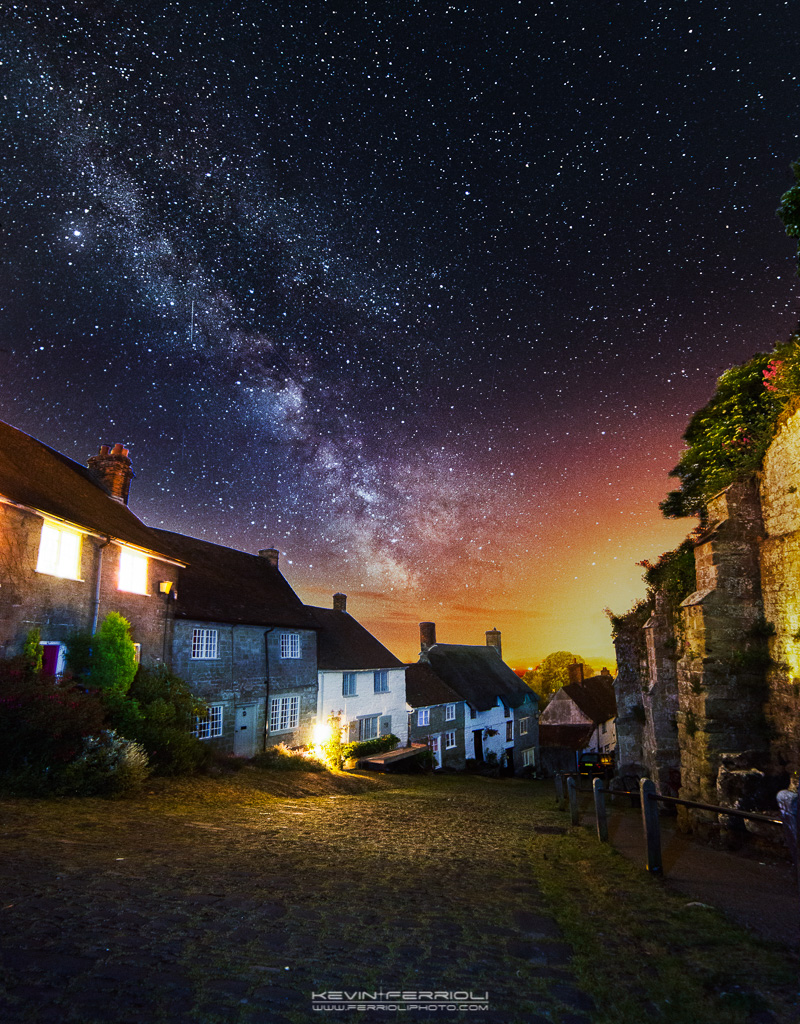
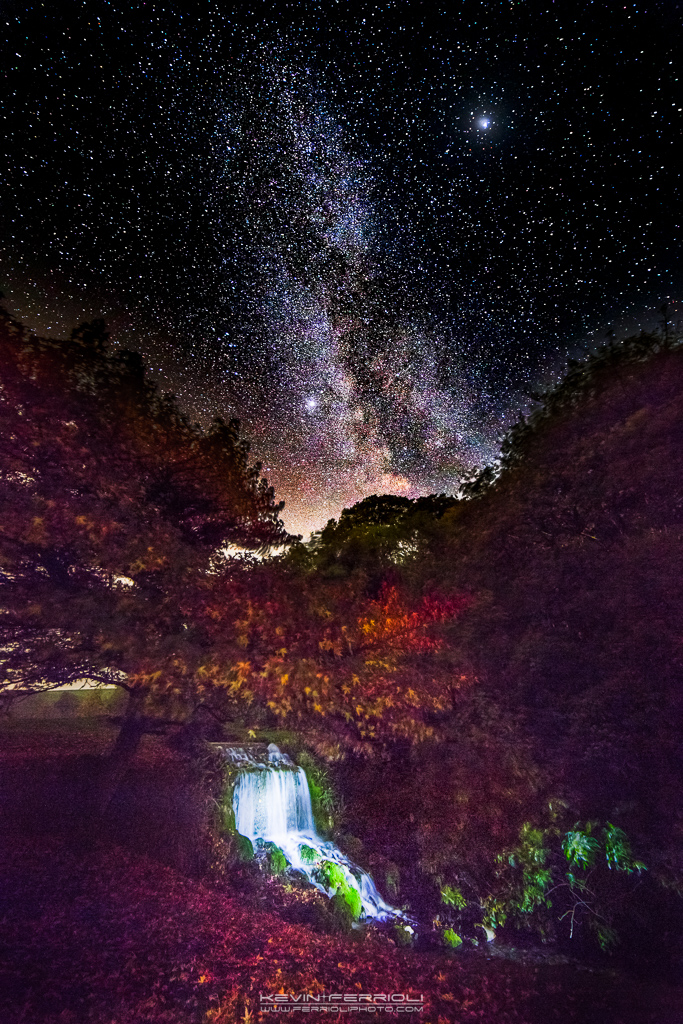






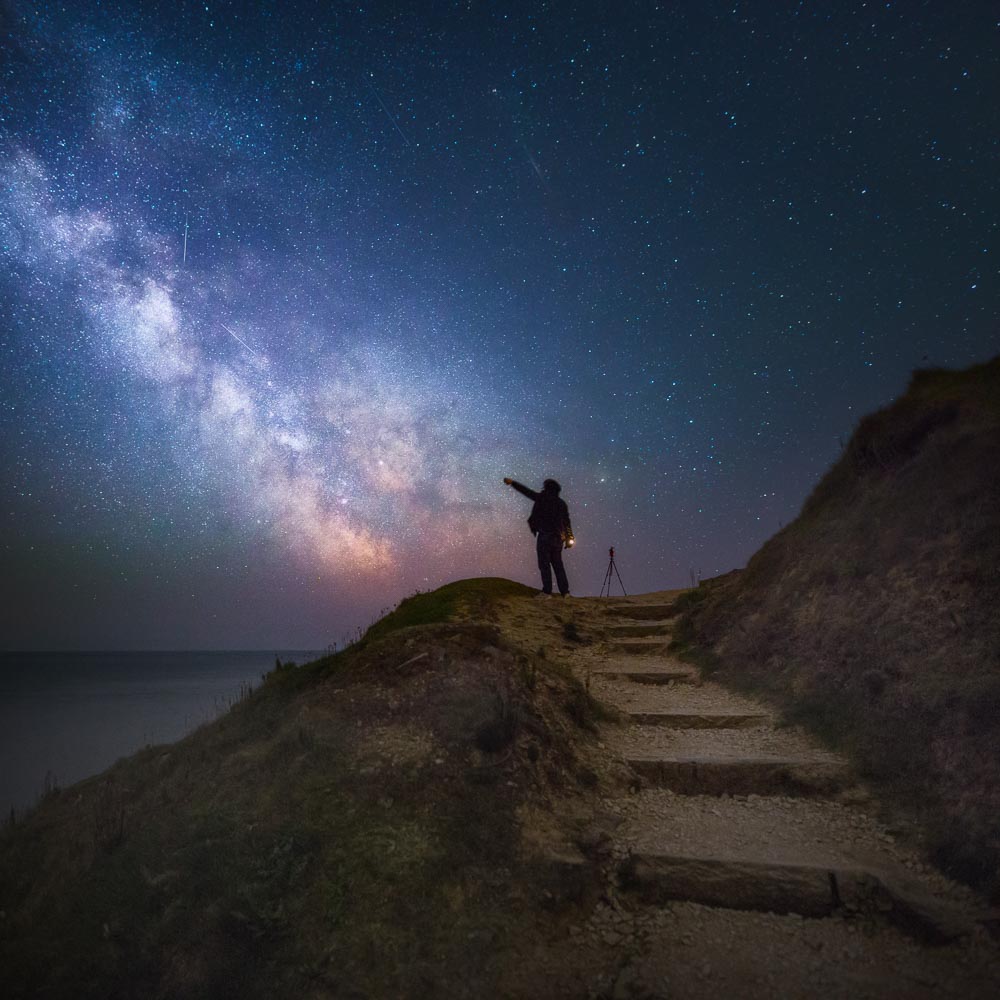
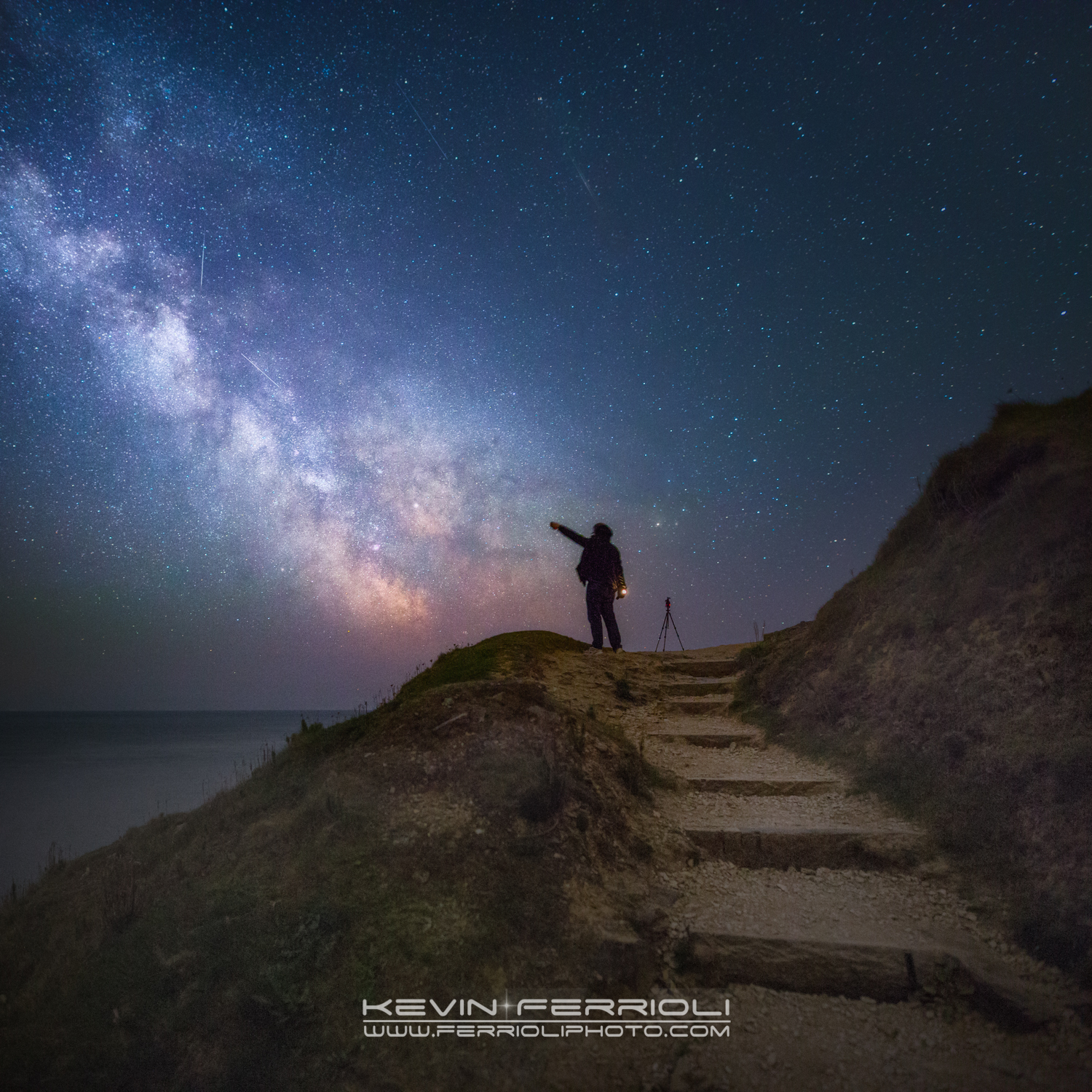
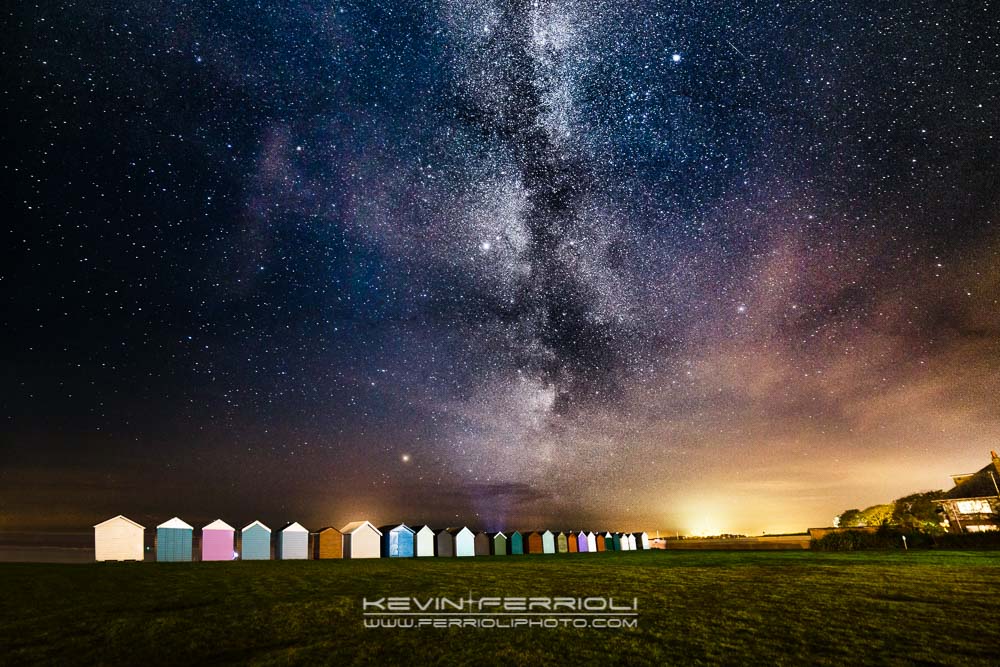


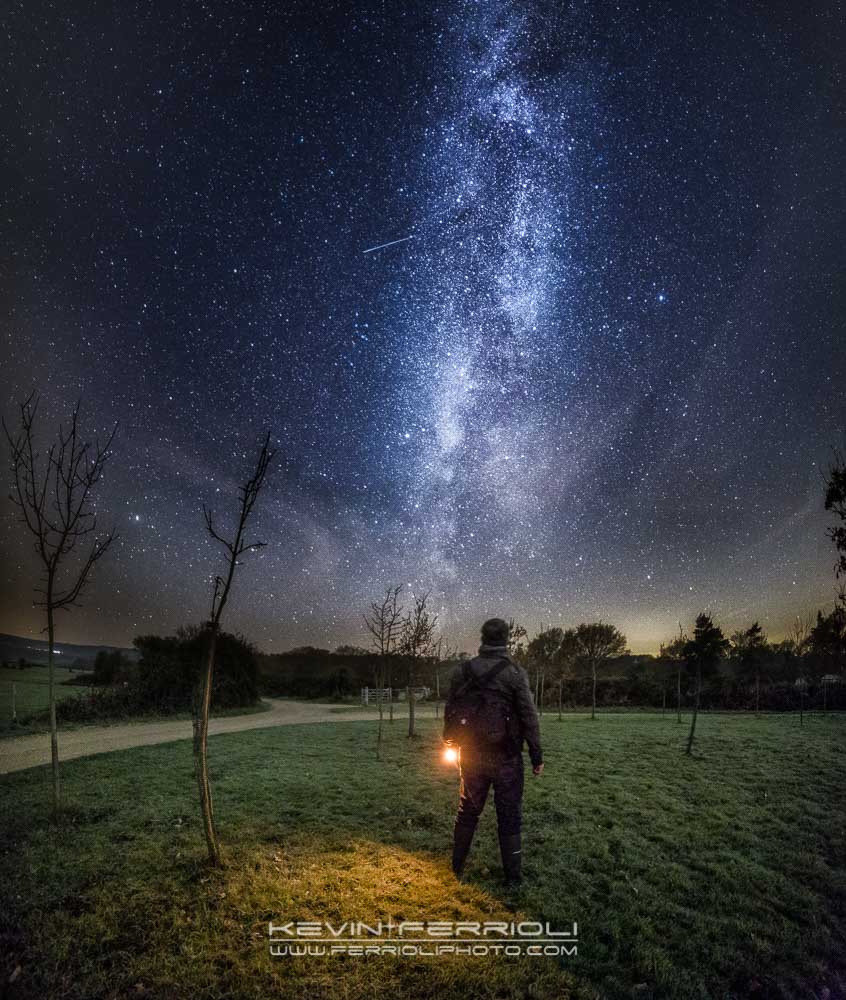
 Photography by Kevin Ferrioli
You must be logged in to post a comment.