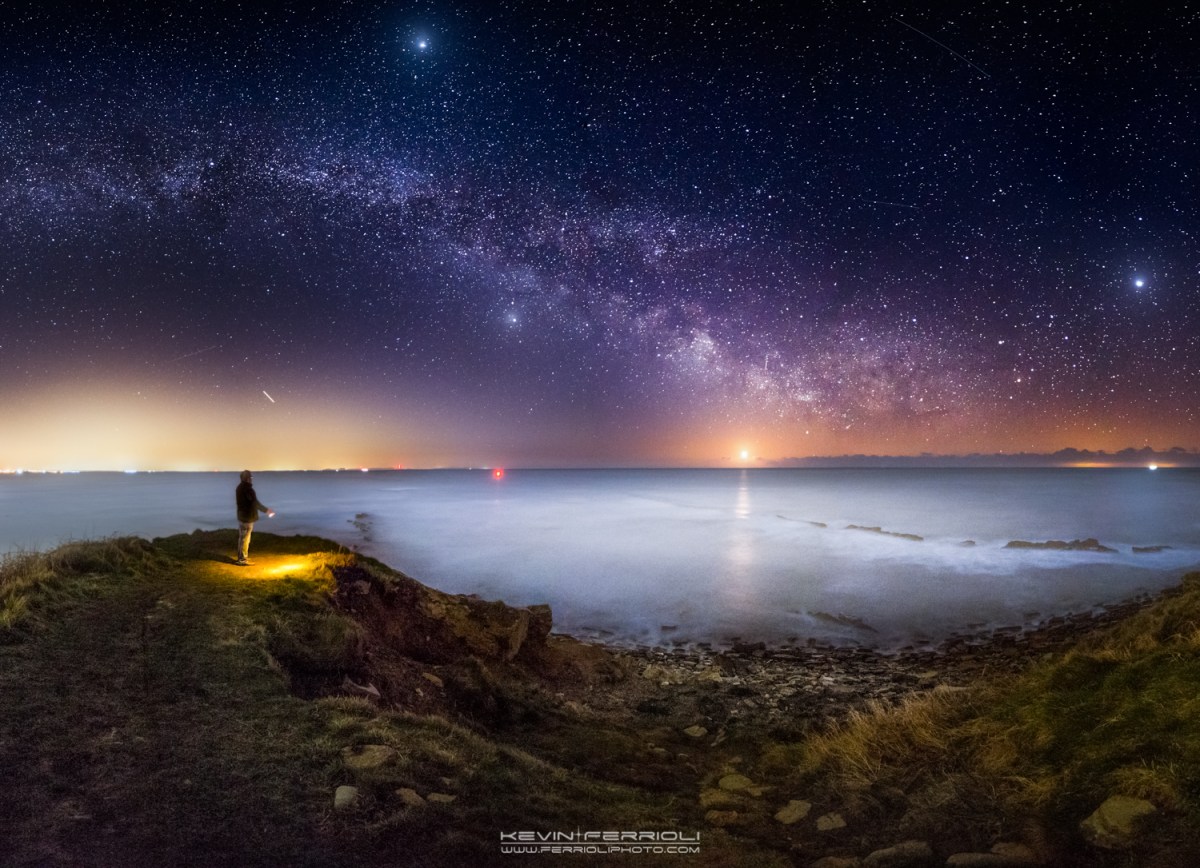
Milky Way and moon rise from Peveril Point in Swanage, Dorset, United Kingdom
As I did last year, I went again to the same place for my first Milky Way, Peveril Point, Swanage, Dorset UK. For my previous attempt, I used a Sigma Art lens 20mm F1.4. The idea was to capture more detailed foregrounds. The lens proved to be excellent for low light but it has four major downsides: first, photos of the night sky taken with this lens were extremely difficult to edit. Second, it is not very good for panoramas, despite I used a nodal head. Third, the autofocus is the worst of any lens that I have ever owned, it is very difficult to capture a sharp photo even with the best light conditions. And fourth, the lens profile in Lightroom is terrible, it makes the images worse. I was not bothered by the astigmatism distortion of the corners which virtually disappeared in panoramas. Overall, I was not happy with the lens, I felt I wasted my last year trying to use it. So I went back to my trustworthy Samyang lens 14mm F2,8. Coupled with the Canon 6D, still my preferred choice. I have not tested the Sigma 14mm F2 yet, but given the price, I will stick with my Samyang.
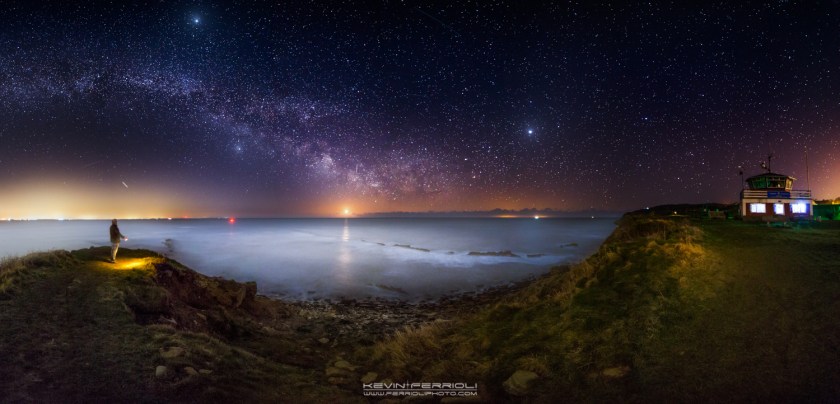
Below is the process used to create it. It is a panorama of 7 photos, Canon 6d and Samyang 14mm F2.8, ISO between 4000 and 5000. Each photo is 25 secs. Stitched in Adobe Lightroom.
Peveril Point Swanage Milky Way: 7 images highlighted below and stitched in Abobe Lightroom.
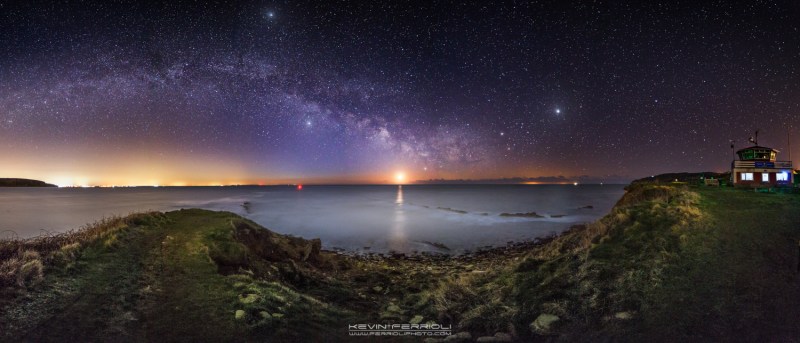
I also took another one without me, and here is the result:
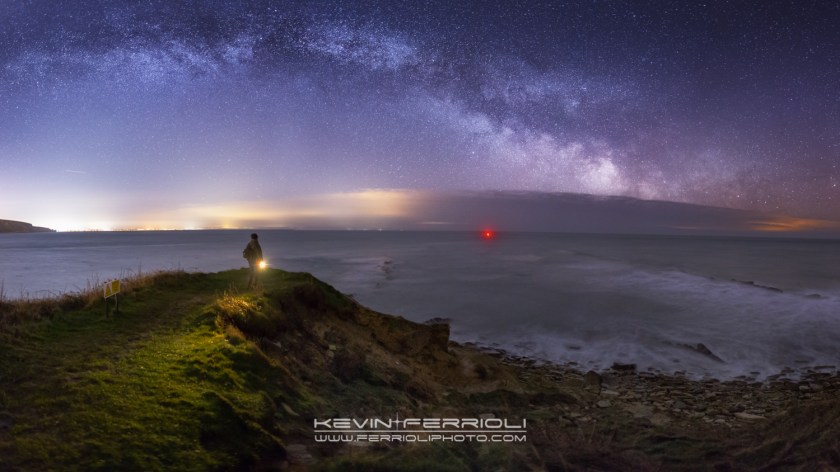
Swanage Peveril Point Milky Way. Dorset United Kingdom. Canon 6d Mk1 Samyang 14mm F2.8. Panorama of 8 photos. 25 Secs each ISO 4000.
The moon rise was spectacular, one of the most beautiful rises from the sea, it was also so dim that allowed to capture the Milky Way up to the last minute before the astronomical dawn. Again, I thank you the nature for this beautiful experience.
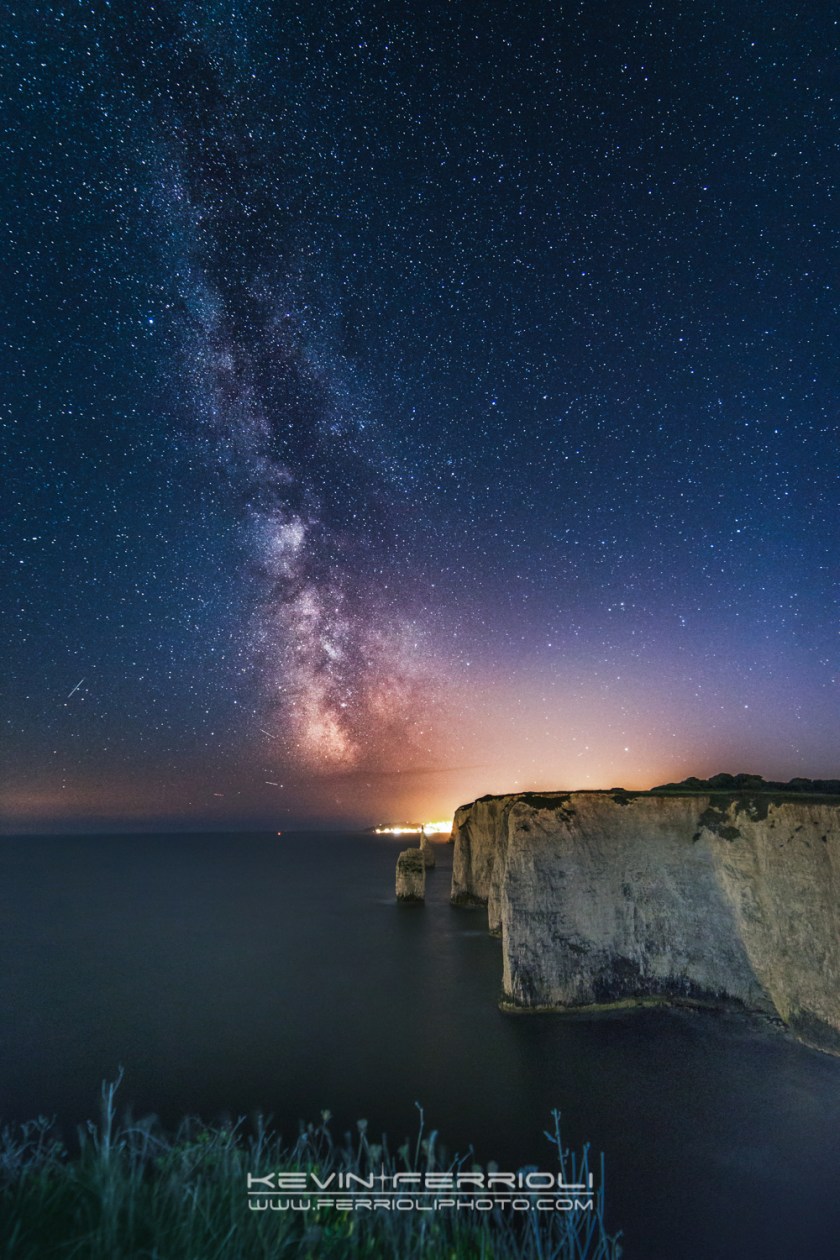
Back in 2015, end of what we call the Milky Way season (that in reality means end of the visibility of the galactic core!), I headed towards the Jurassic Coast, specifically to a beautiful chalk formations. Old Harry Rocks are located in the Isle of Purbeck, Dorset, United Kingdom. This was a really windy night, and the location very, very dangerous. I was sat all time as a gust of wind could have easily pushed me to death. I wasn’t sure that I was going to get the photo due to the light pollution coming from Swanage. I took several images at different exposures, my Canon 6d Mk1 and Samyang 14mm F2.8 as the resource, with occasional shots with the Canon 24-105 F4 series L. No tracker, only pushing the trigger. I have to say, I was really pleased with the result.
Milky Way from Old Harry Rocks, Isle of Purbeck, Dorset UK. Canon 6D MK1 Samyang 14mm F2.8 Single Exposure.
My friend and fellow photographer Matt Pinner(pinners-photography.co.uk) and I had this planned from years ago. We always talked about it and for one reason or another, we could not make it to the place. It is very difficult to access and dangerous if you don’t know the way.
The day started with a really nice re-encounter with my friend after a long gap without contact with him. As always, we were talking on the way there about possible places, possible photos. We then stopped to photograph a field full of sunflowers in Hampshire.
Sunflowers field in Hampshire
The sky looked unsettled, with a promise of clearing later on. From there, we headed to Wiltshire towards Salisbury and we noticed that the fields were now being flooded by mist. Matt had a place in mind and we took a little detour to capture this view during the blue hour.
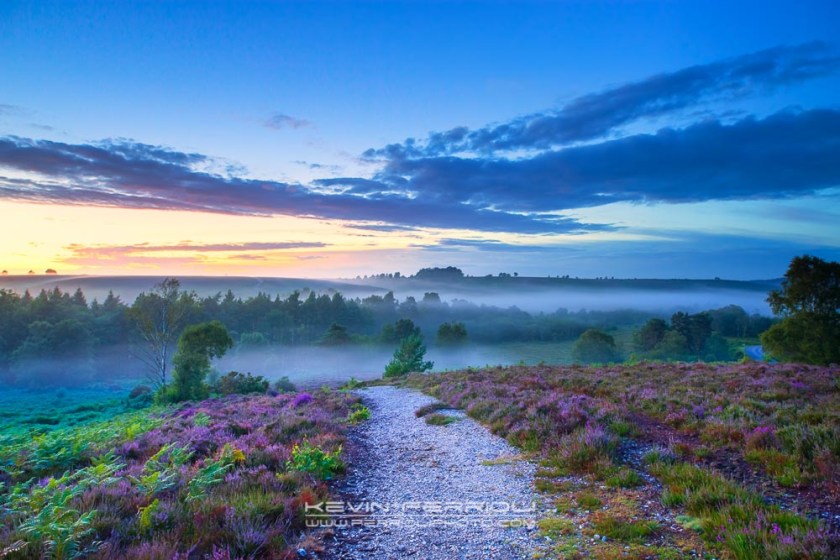
Layers of mist in the forests of Hampshire
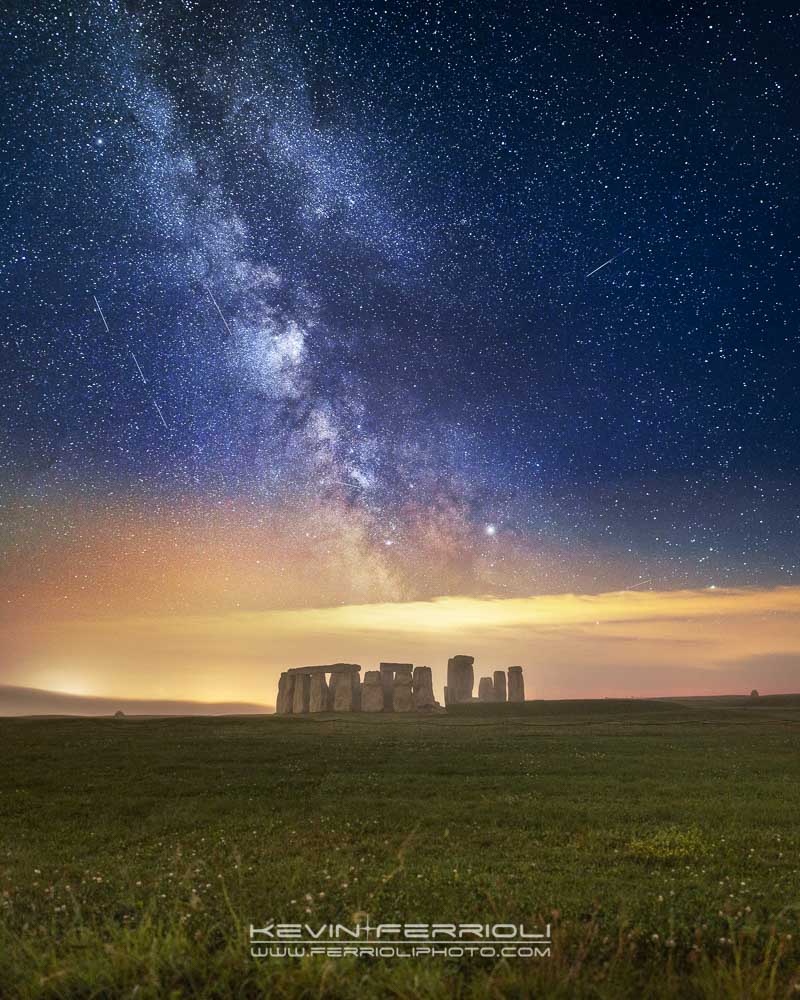
We left the place, and the mist became more and more abundant, now to the point that visibility of the sky had reduced. We keep going with the hope of going to Stonehenge and capture the Milky Way. When we finally arrived, mist was present, even by the stones, but it was thin enough to allow a photo.
I did research about previous attempts from other photographers and I learned that despite the apparent darkness of the place, the sky right behind the monument is heavily light polluted. With that in mind, I started with my first attempt.
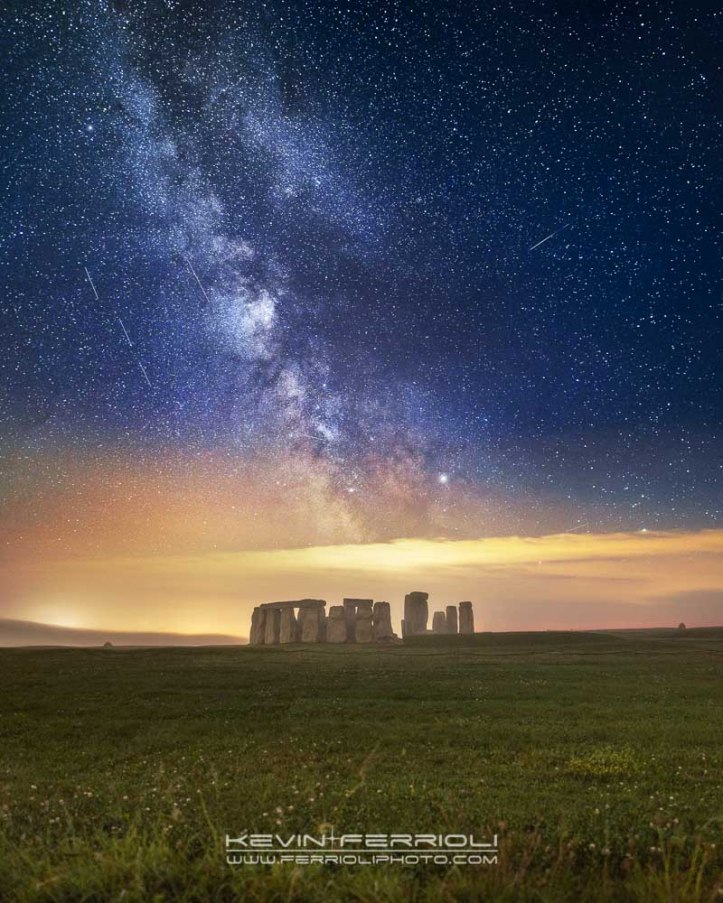
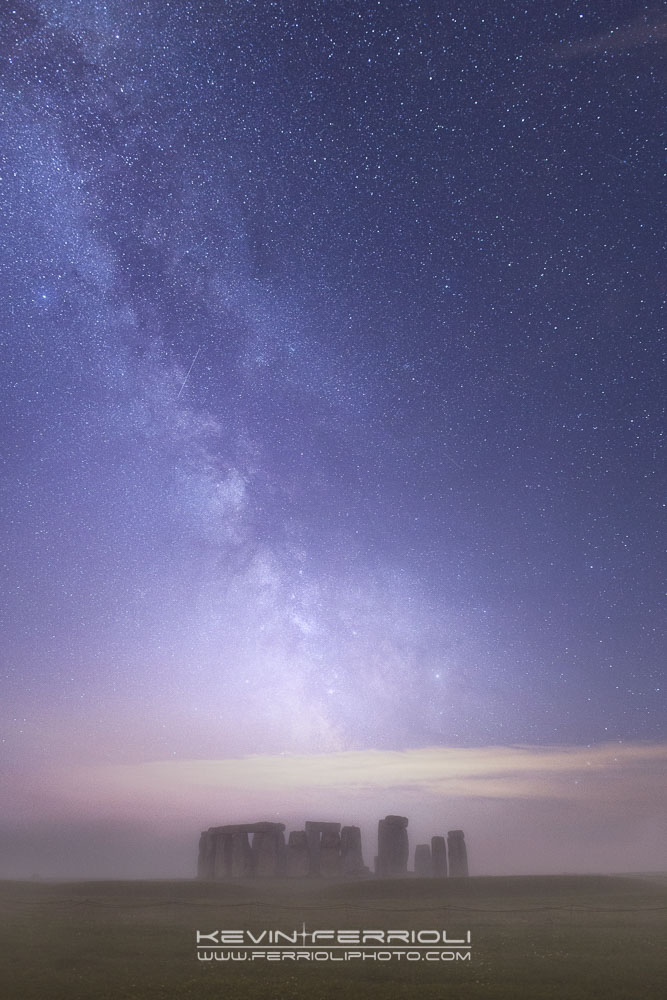
Stonehenge Milky Way, Wiltshire. English Heritage. World Heritage Site. Canon 6D MK1, Sigma Art 20mm F1.4 shot at F1.6 Frames 15 secs each Panorama of 4 photos.
The mist made the light pollution problem worse, and it was also aggravated by the continuous passing of cars behind the monument, the lights were amplified by the mist, creating a huge glow. The road was so busy that it was impossible to wait until there were no cars passing through it.
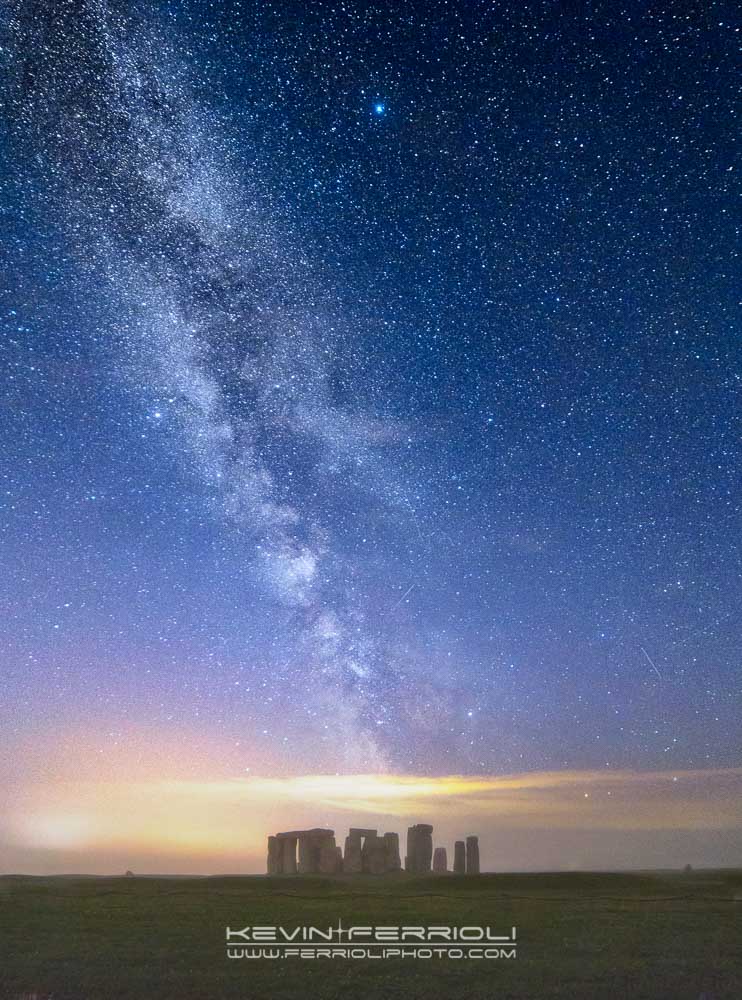
Now the mist was creating heavy condensation on everything. The camera body, tripod, nothing escaped, and as I wasn’t expecting this, I didn’t bring the heaters for the lens, so I found myself cleaning the lens after each shot of the pano. Conditions were also deteriorating very quickly, and I had no choice but to start to do single shots. I positioned the camera in portrait orientation and also changed the lens to my beloved Samyang 14mmF2.8
Stonehenge Milky Way, Samyang 14 mm F2.8 Cropped photo. 25 Secs single frame.
I have to say that when it comes to foregrounds at night, nothing beats the Sigma Art (not even the expensive Canon lenses). This is to the point that I have experienced the re-birth of my Canon 6D MK1 with the Sigma Art. But when the stars are the subject, the old and mechanical Samyang 14mm F2.8 still producing the most beautiful night skies (I still need to test the Sigma Art 14mm F1.8 which looks very promising!). The lack of light gathering capabilities compared with the Sigma produce more contrast which helps in creating darker skies.
Conditions deteriorated now to the point that clouds started to cover the sky, and the mist became more intense. We had to leave the monument, but we left it bringing with us one of the most beautiful experiences ever, the beautiful energy that emanates from the site, combined with the stars what were visible, a formula that heals the soul, not everyday I have the opportunity to photograph the milky way in the most known and one of the most fascinating places of earth. I thank you all the energy of this universe that took me there.
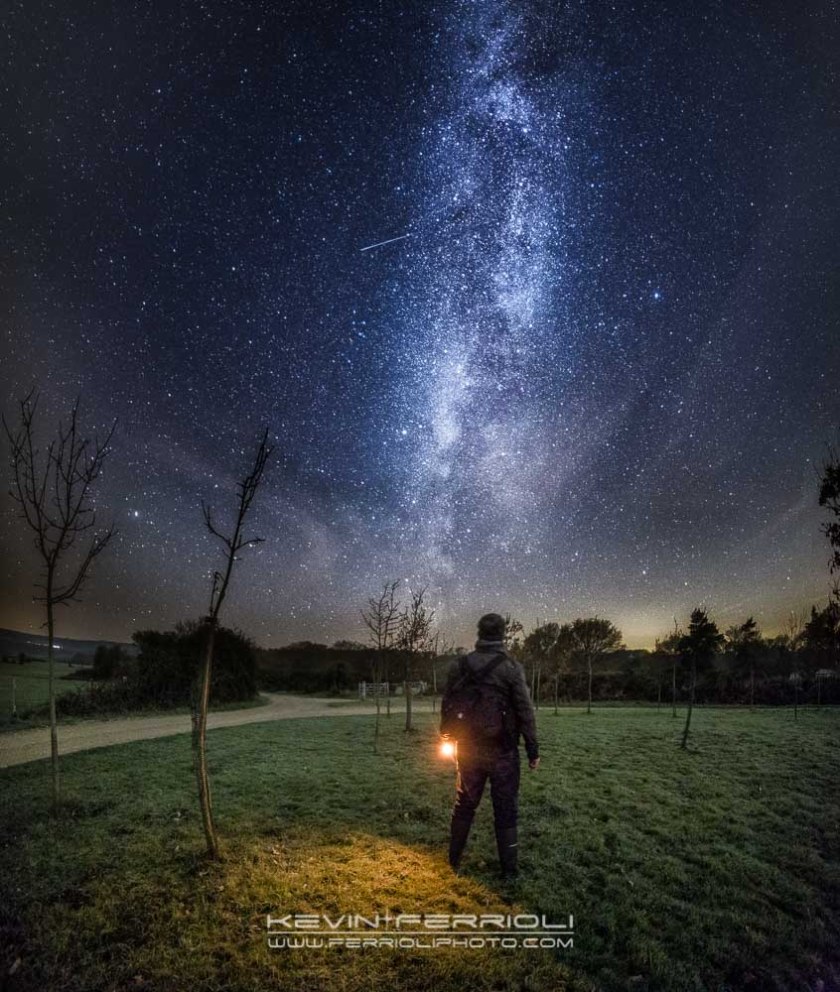
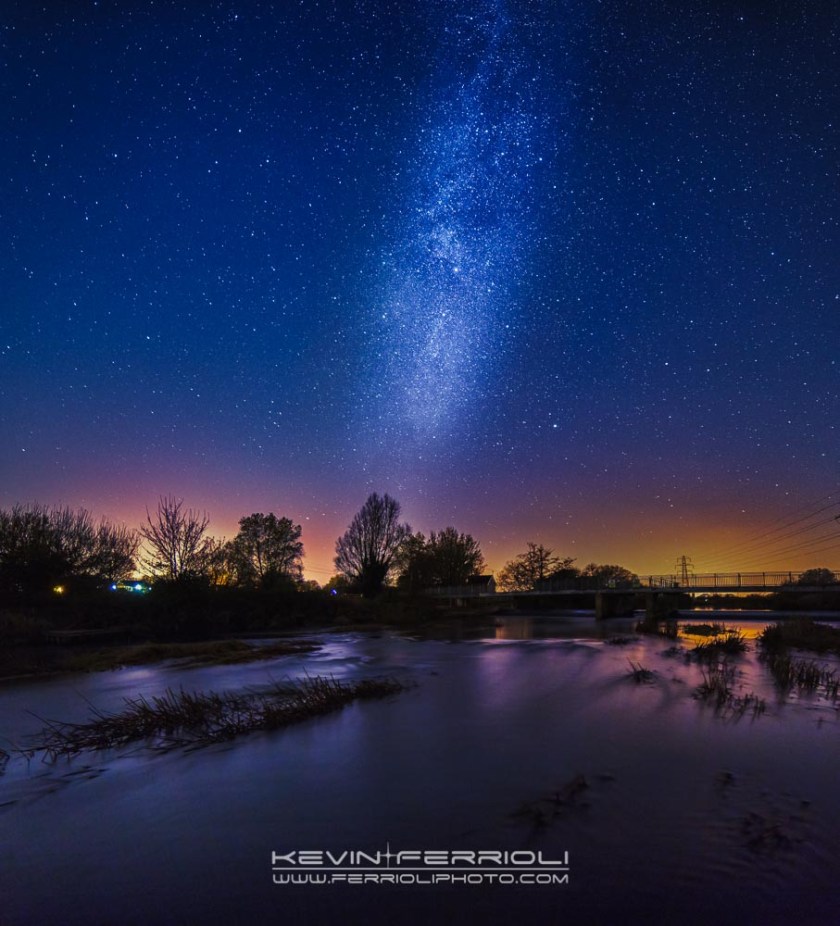
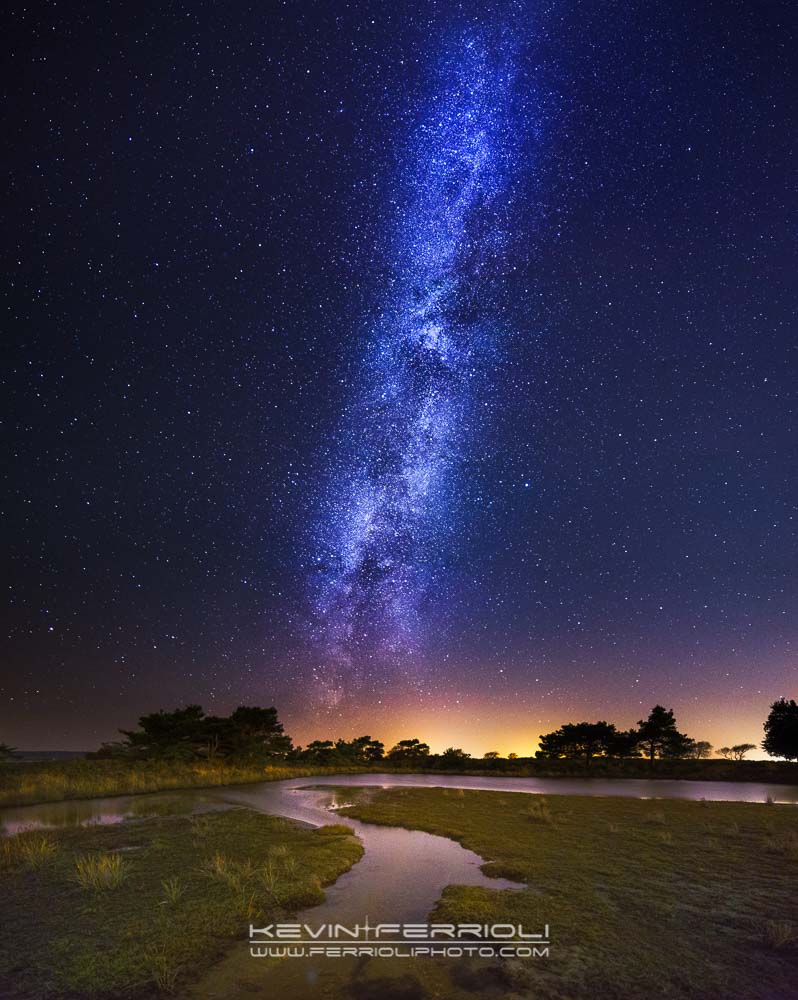
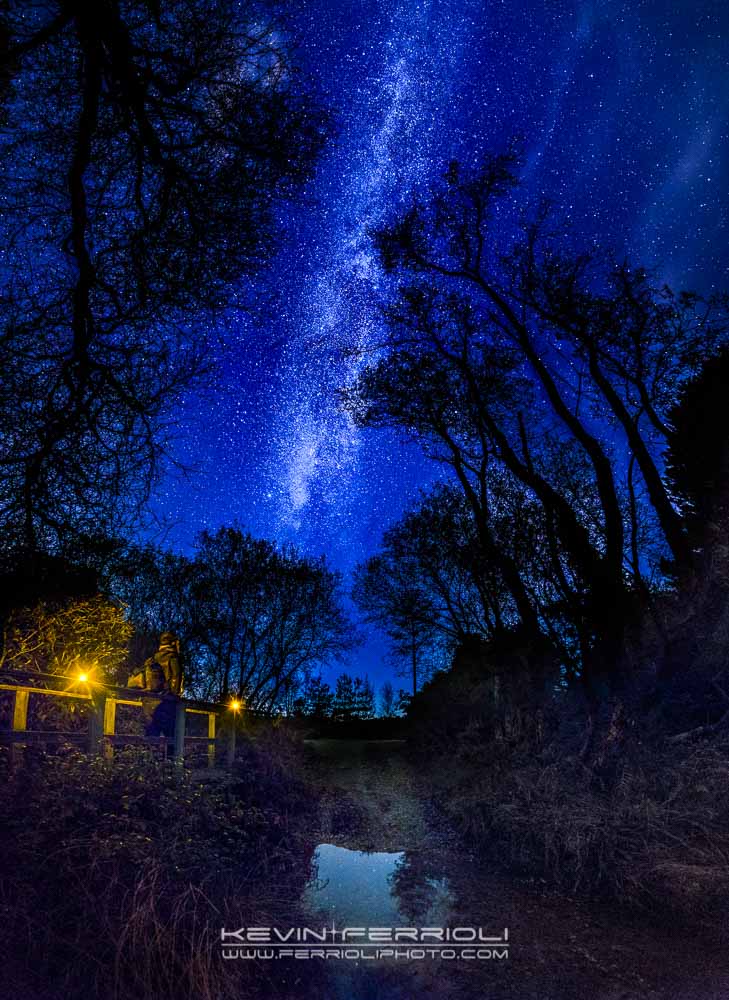
Few more opportunities the mother nature gave me during the last two months of the year to see through the window of the universe…
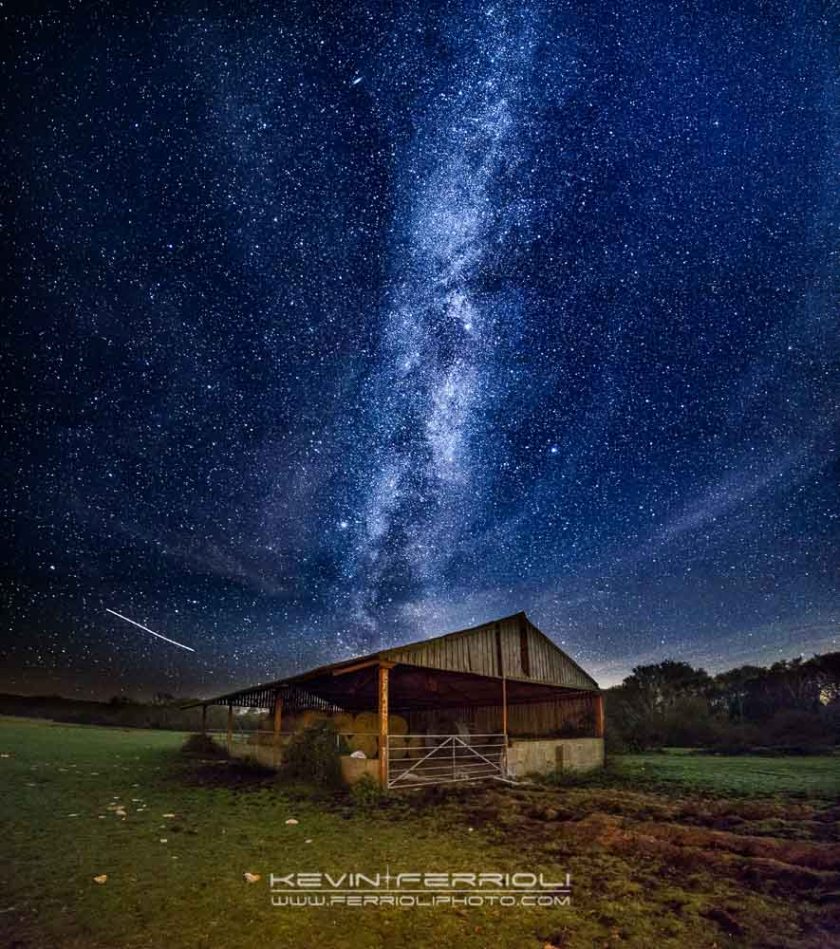
Milky Way above the shed, Purbeck, Dorset, UKSelf Portrait with Milky Way in Purbeck, Dorset, UK.Milky Way Stour River, Throop, Dorset, UKMilky Way above Dragon’s Teeth, Bramble Bush bay, Dorset, UK.Milky Way self portrait, Bramble Bush bay, Dorset, UK.Milky Way above Purbeck, Dorset, UK.Milky Way self portrait, Purbeck, Dorset, UK.Milky Way Self Portrait next to a shed in Purbeck, Dorset, UK.Milky Way from Bramble Bush bay, Dorset, UK.Milky Way self portrait from Purbeck cross roads, Dorset, UK.Milky Way view from Evening Hill, Shore Road, Poole Harbour, UK.Milky Way and Hamworthy Park Beach Huts, Dorset, UK.Milky Way and old jetty, Hamworthy Park, Dorset, UK.
The largest natural harbour in the United Kingdom. It is the estuary of 4 rivers, the largest being the Frome. It has an approximate area of 36km2 (14 sq mi) and it is very shallow (average depth is 48cm) . The area has a long history of human settlement pre-Roman times. The harbour was used by the Romans as an invasion port.
View of the Sandbanks chain ferry jetty. Sirius and the Milky Way, Sandbanks, Poole, EnglandMilky Way above Parkstone Yacht Club and Poole Quay, from Whitecliff Harbourside Park, Poole, England
Poole is the main town. It became a wealthy city in the 17th century as it was a trading hub, and by the 18th century it was the main British port trading with North America.
Milky Way view above Poole Park, Dorset, England
Hamworthy Lake Pier, Sirius and the Milky Way, Poole, England.
The harbour is an area of international importance for wildlife conservation, and borders three natural reserves.
View of the Milky Way above the harbour from Evening Hill, Poole, England
Poole Harbour has a special charm, and is well known for the most beautiful sunsets in Dorset. This post is about a face little known, Poole Harbour under the starry nights
Milky Way above Sandbanks bay, next to the sailing club. Poole, England.
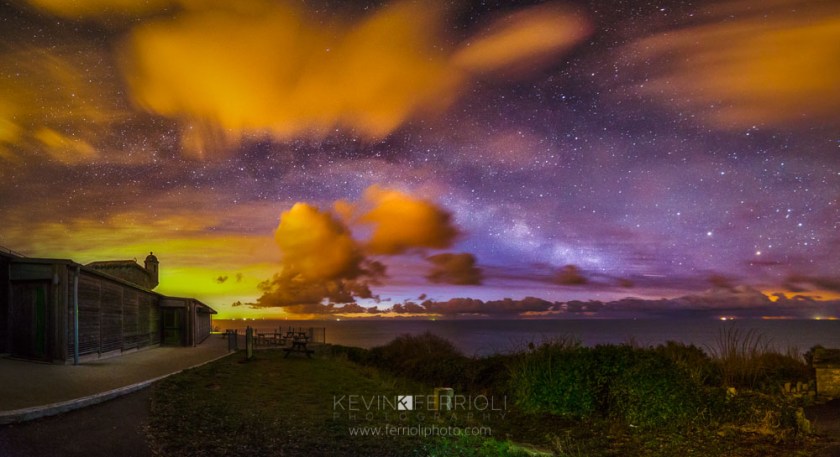
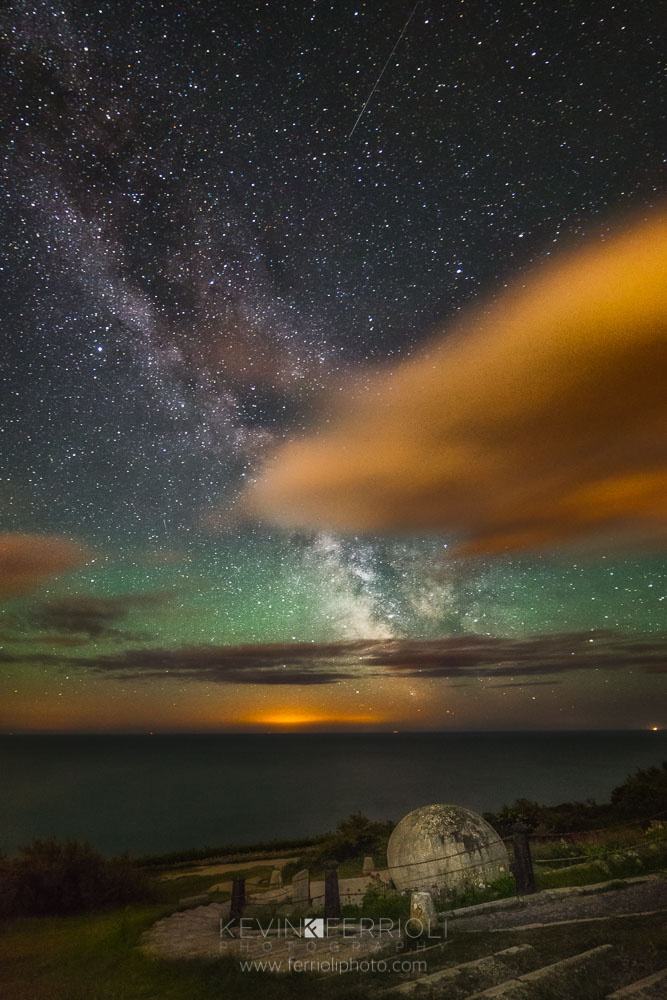
Views of the Milky Way from Durlston Country Park, Dorset, England.
Durlston Country Park is a 1.13 square kilometre (280-acre) country park and nature reserve stretching along the coast of the Isle of Purbeck at Durlston near Swanage in Dorset, England. The Park, which is part of the Jurassic CoastWorld Heritage Site, has been owned by Dorset County Council since the early 1970s and is mostly open access.
View points across the park with descriptions
In 1887 George Burt, local constructor and business man who used to own Durlston estate, built a small ‘castle’ at Durlston Head, on the hill above Durlston Bay and the town of Swanage. The Durlston Castle was never a real castle, but was purpose-built to be used as a restaurant for his estate.
Durlston Castle
Burt also commissioned a 40-ton limestone Globe, three metres in diameter, engraved with an 1880s world map. The footpaths around the Castle and Globe are lined with cast iron London bollards which were left in Swanage having been used as ballast by the ships transporting stone to London. Other ornaments include plaques carved with quotations from Shakespeare and the Bible, maps showing the English Channel and the United Kingdom, and facts about the natural world.
The Globe, a 40-ton, 3 meter diamete sphere.The globe is engraved with an 1880 world map
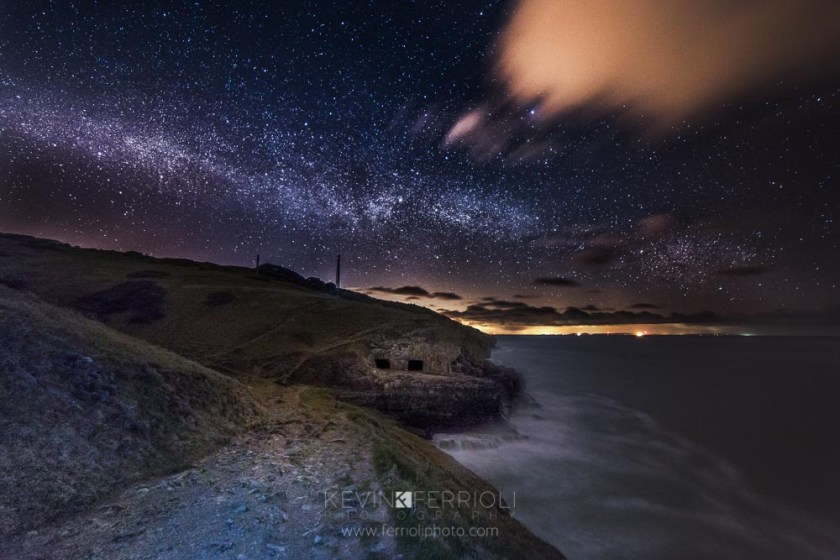
In the 19th and 20th centuries Purbeck was quarried for its high-quality limestone. There were few open-cast quarries, and none in Durlston, but there are many mine shafts across the landscape, notably Tilly Whim Caves in a dry glacial meltwater valley.
View of the Tilly Whim Caves
Most of the Park is designated Site of Special Scientific Interest and since 1997, a Special Area of Conservation. The majority is also designated as a Site of Nature Conservation Importance.
Durlston Country Park is one of the most inspiring places for photography in Dorset.
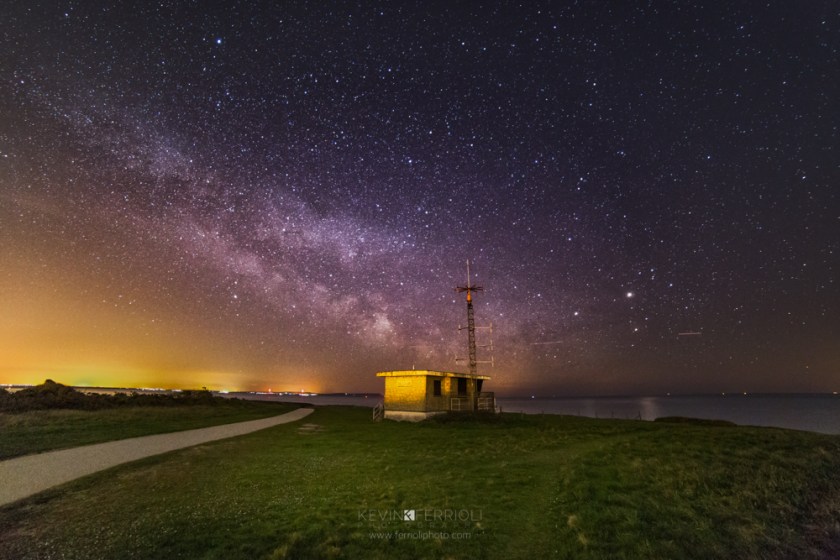
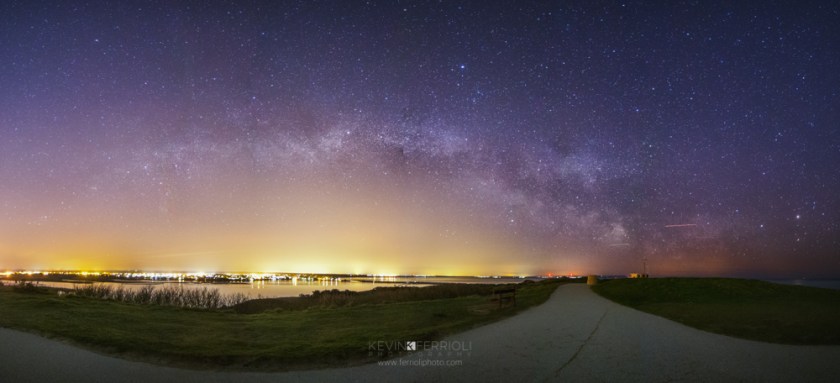
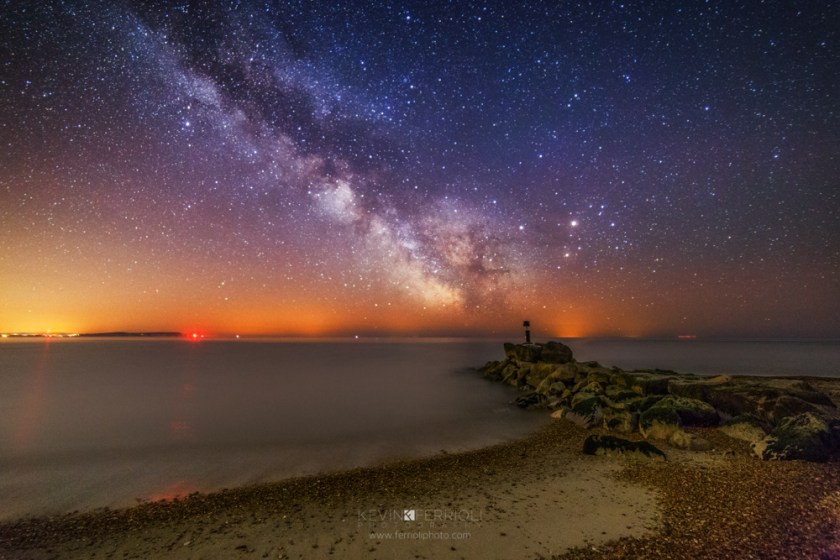
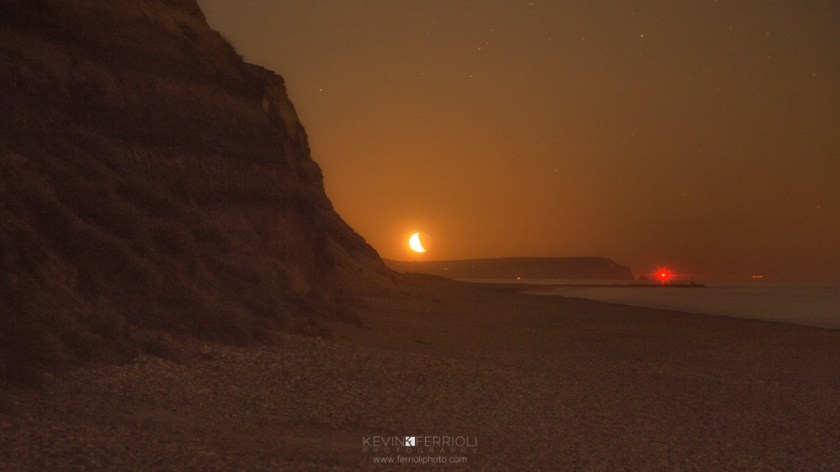
Hengistbury Head, an outstanding beauty day and night
Hengistbury Head is a headland jutting into the English Channel between Bournemouth and Mudeford in the English county of Dorset. It is a site of international importance in terms of its archaeology and is scheduled as an Ancient Monument.Declared a Local Nature Reserve in 1990, the head and its surroundings form part of the Christchurch HarbourSite of Special Scientific Interest.It is also a Special Area of Conservation, Special Protection Area, an Environmentally Sensitive Area and a Site of Nature Conservation Interest.
The head supports about 500 plant species which is a quarter of the national flora.H.M. Coastguard Relay Station on the top of Warren Hill
The name “Hengistbury Head” refers to the immediate area; the elevated portion is called Warren Hill.
View of Christchurch Harbour from Warren Hill
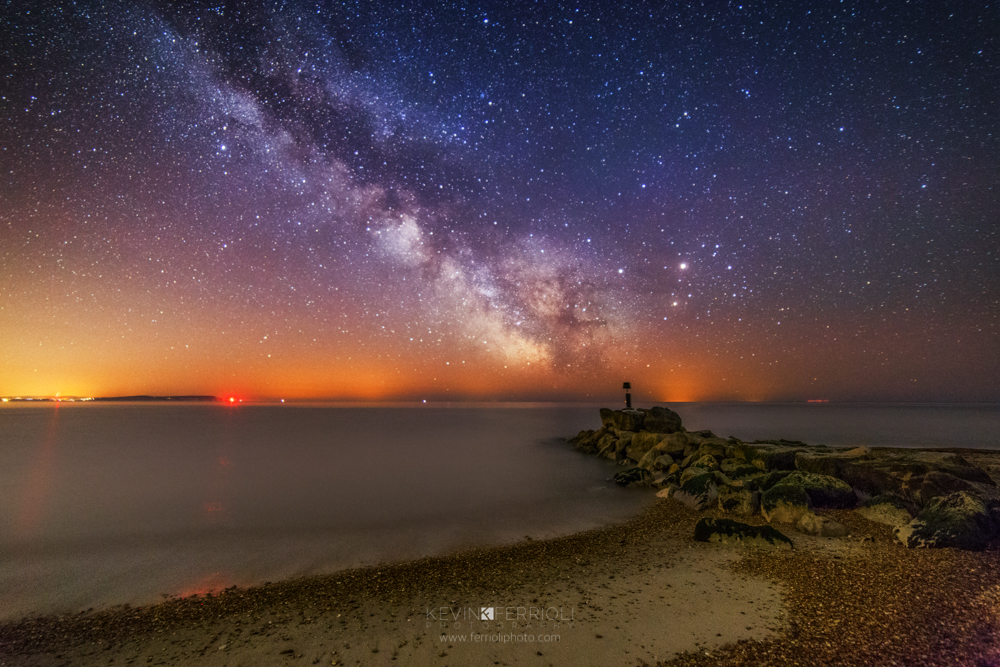
The area enjoy some beautiful dark spots where the Milky Way can be photographed with amazing detail
Groin constructed to reduce erosion of the head, lights of the Isle of Wight
Enjoy the moon rising, giving the impression of a landscape from mars.








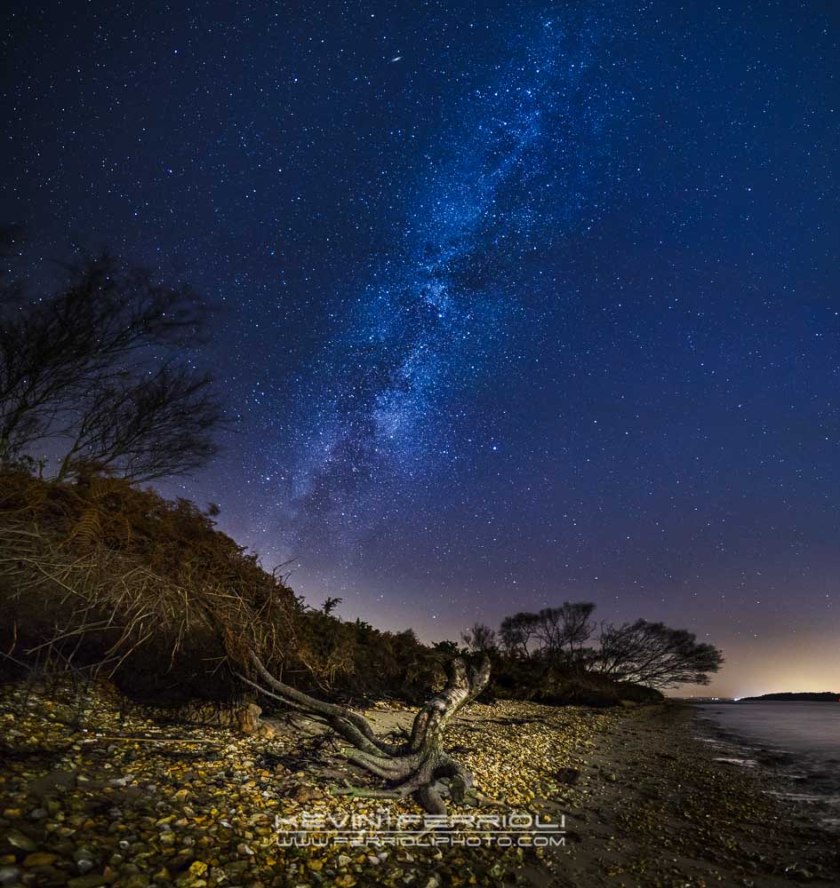


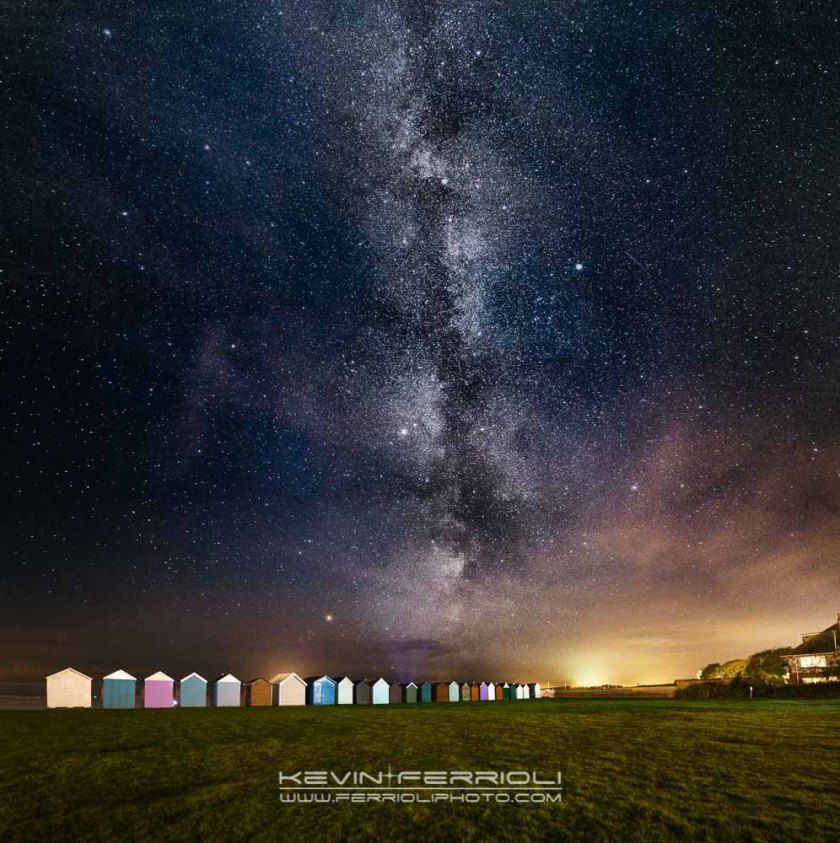


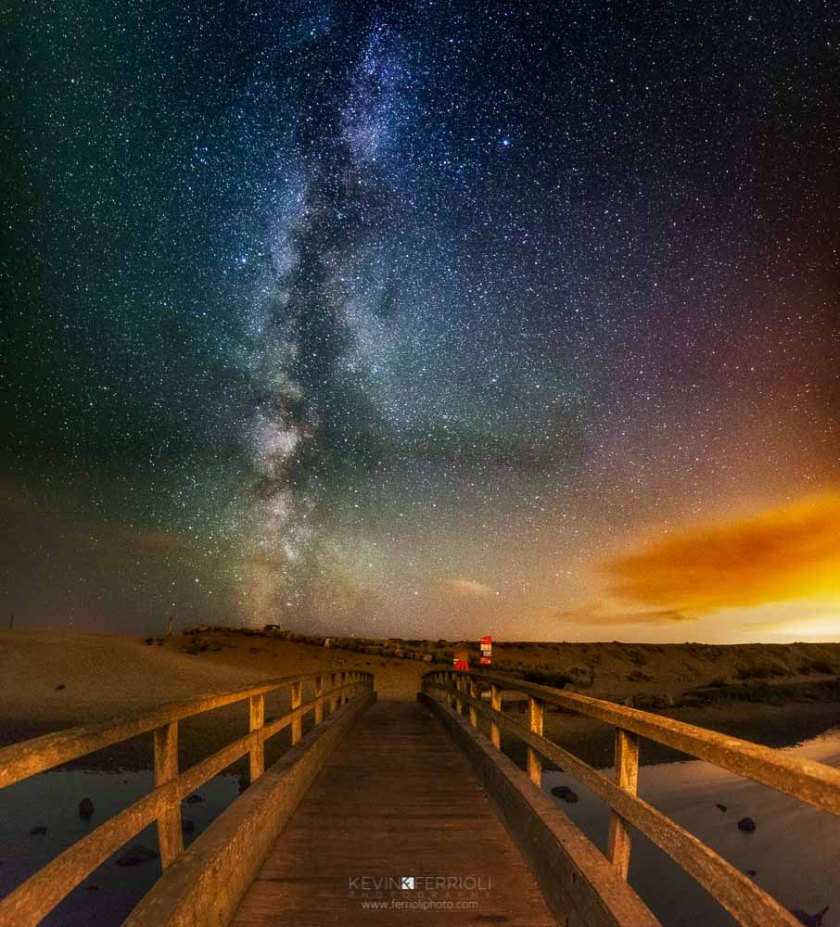

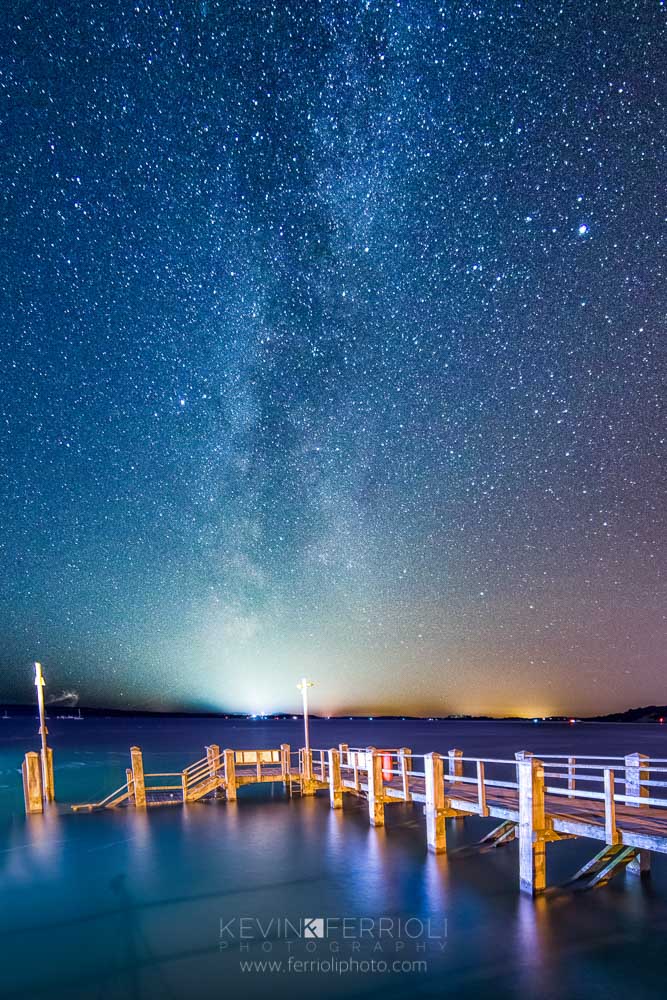
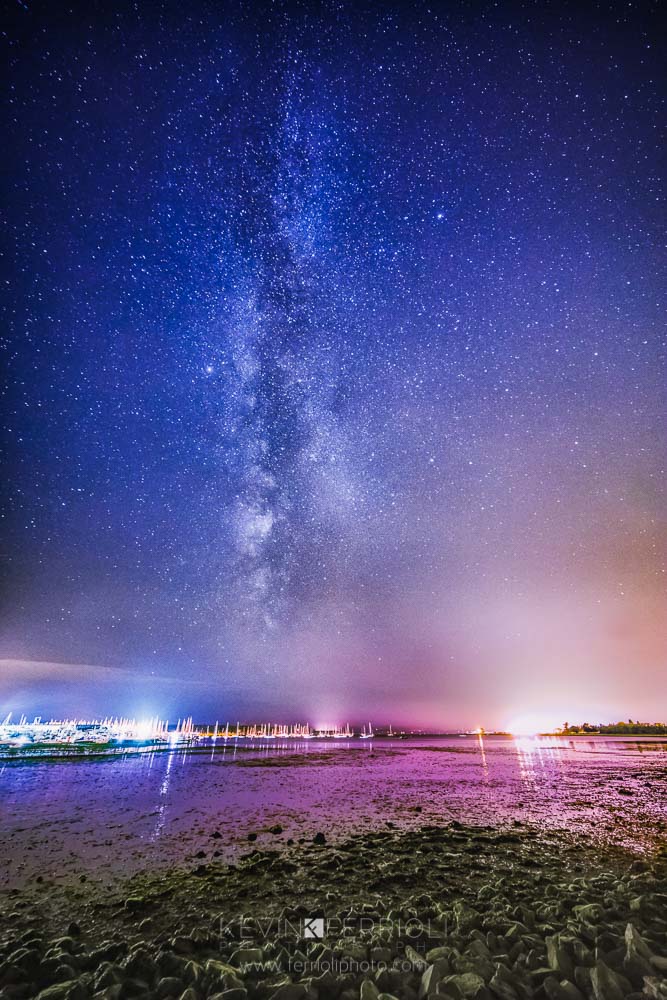

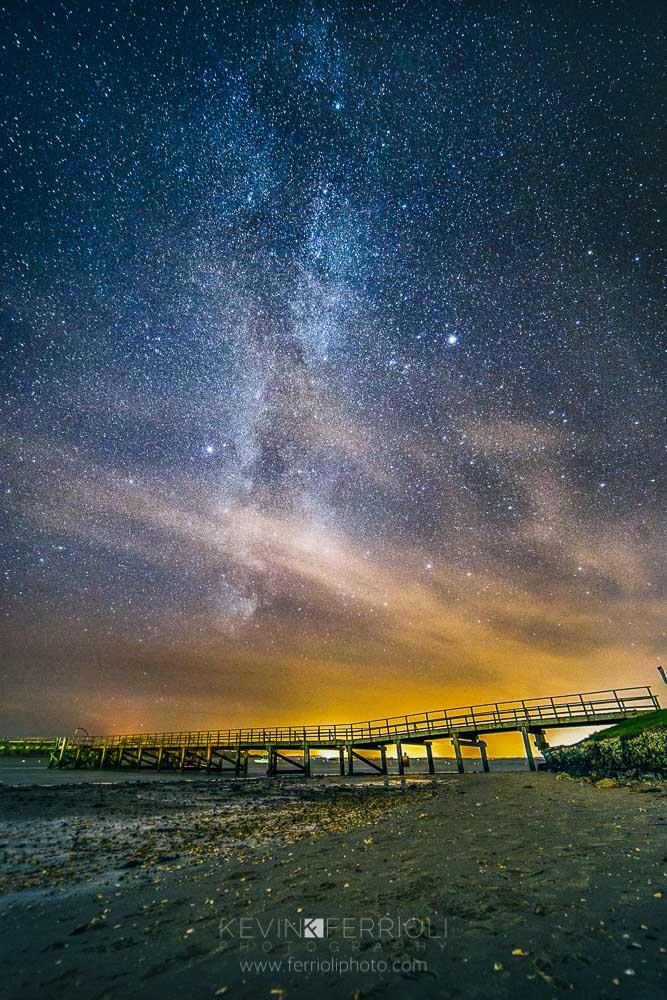

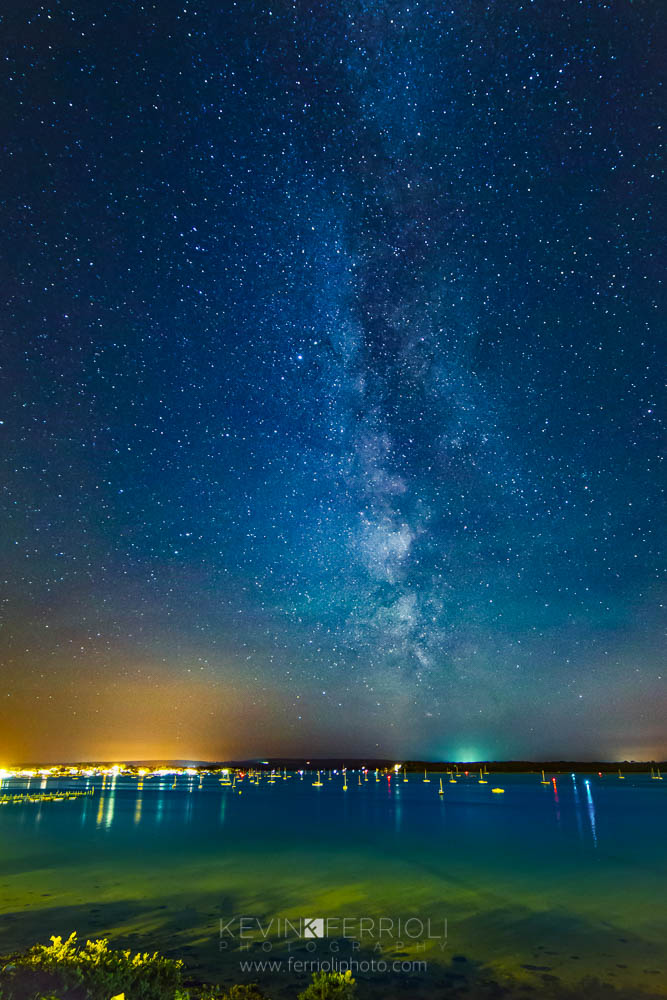

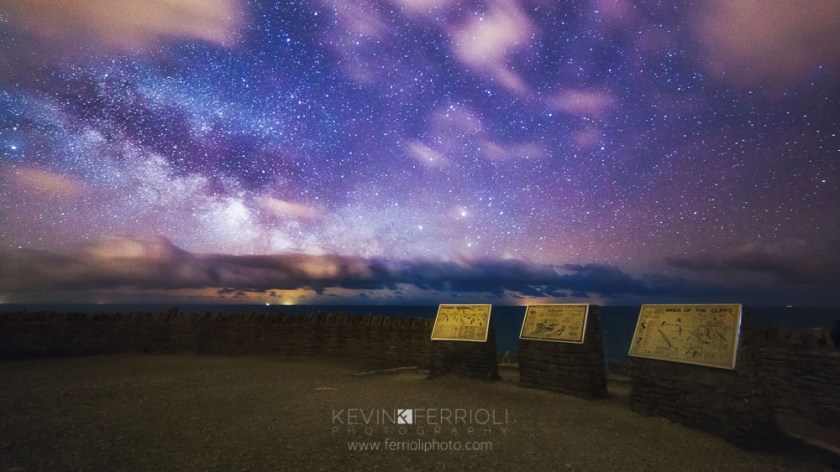




 Photography by Kevin Ferrioli
You must be logged in to post a comment.