Fossils and the night sky—two seemingly distant worlds, yet deeply connected. Each fossil is a time capsule, a window into an ancient Earth, just as the stars are glimpses into a distant past. My fascination with these cosmic and earthly timelines has led to an incredible opportunity: Landing Among the Stars exhibition at The Etches Collection Museum,running this July only!
Visitors will not only encounter The Sea Monster—a stunning reminder of prehistoric oceans—but also explore the wonders of the night sky. Through this exhibition, I hope to bridge the depths of the sea with the vastness of space, reminding us that time leaves its marks in stone and light alike.
I’m thrilled to invite you to my upcoming talk at Durlston Country Park, where I’ll share my passion for night sky photography. Whether you’re just starting out or already experienced, I’ll offer practical tips, techniques, and inspiration to help you capture the magic of the night.
During the session, I’ll guide you through 2025’s must-see celestial events—I’ll also discuss the best locations for dark-sky photography and share advice on capturing stunning images of the Milky Way.
Set in the heart of Durlston’s International Dark Sky Reserve, this event will give you the tools and knowledge to take your astrophotography to the next level.
This year 2017, started with big expectations, always trying to be realistic too about what it could be achieved, as the windows of opportunities in the UK are extremely reduced…so every clear night is so precious, to the point that if I miss one window(a clear moonless night ), I feel like I just wasted my time by doing something else. It is a journey, and a great learning experience and it has become a religion.
Radar Monument St Aldhelm’s Head Milky Way – Dorset Milky Way Photography UK
St Aldhelm’s Chapel – Dorset Milky Way Photography UK
Studland Beach Milky Way – Dorset Milky Way Photography UK
Moonrise Boscome Beach Dorset UK
Lyrid Meteor and Milky Way – Dorset Milky Way Photography UK
Durlston Country Park Milky Way – Dorset Milky Way Photography UK
Moon and Jupiter above Bournemouth Pier Dorset UK
Lulworth Cove Milky Way – Dorset Milky Way Photography UK
Man O’War Milky Way – Dorset Milky Way Photography UK
Man O’War Milky Way – Dorset Milky Way Photography UK
Man O’War Milky Way – Dorset Milky Way Photography UK
Man O’War Milky Way – Dorset Milky Way Photography UK
Kimmeridge and Thunderstorm Milky Way – Dorset Milky Way Photography UK
Kimmeridge Thunderstorm Dorset UK
Durlston Country Park Milky Way – Dorset Milky Way Photography UK
The largest natural harbour in the United Kingdom. It is the estuary of 4 rivers, the largest being the Frome. It has an approximate area of 36km2 (14 sq mi) and it is very shallow (average depth is 48cm) . The area has a long history of human settlement pre-Roman times. The harbour was used by the Romans as an invasion port.
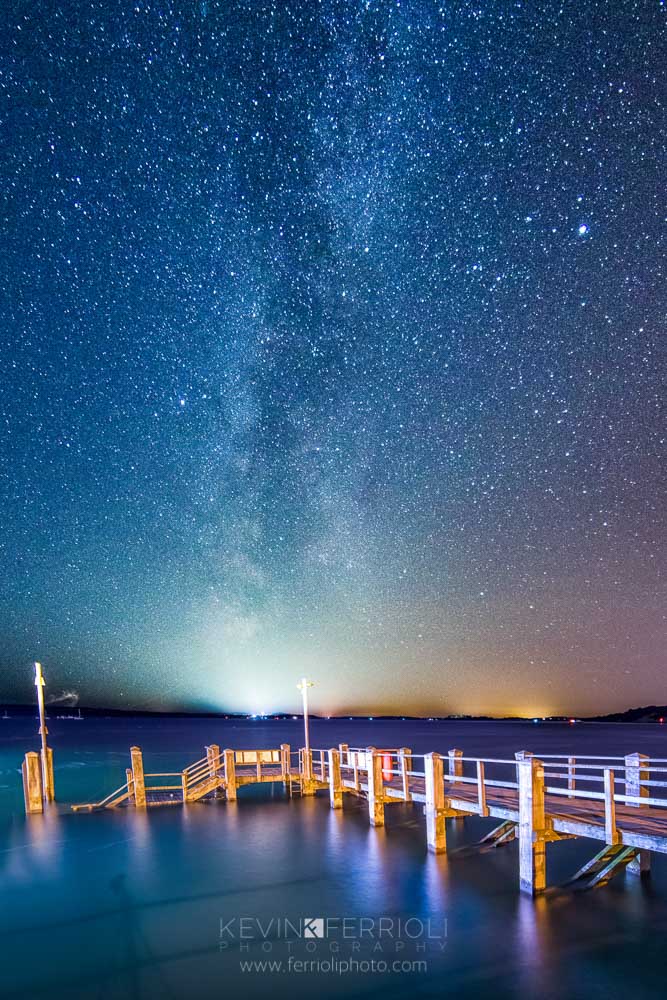
View of the Sandbanks chain ferry jetty. Sirius and the Milky Way, Sandbanks, Poole, England
Milky Way above Parkstone Yacht Club and Poole Quay, from Whitecliff Harbourside Park, Poole, England
Poole is the main town. It became a wealthy city in the 17th century as it was a trading hub, and by the 18th century it was the main British port trading with North America.
Milky Way view above Poole Park, Dorset, England
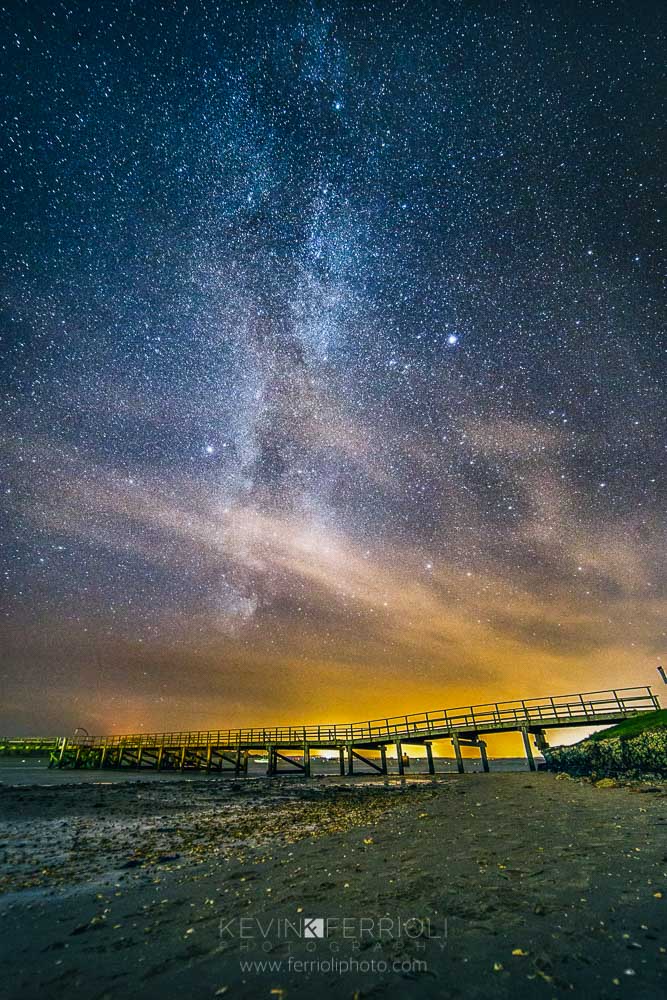
Hamworthy Lake Pier, Sirius and the Milky Way, Poole, England.
The harbour is an area of international importance for wildlife conservation, and borders three natural reserves.
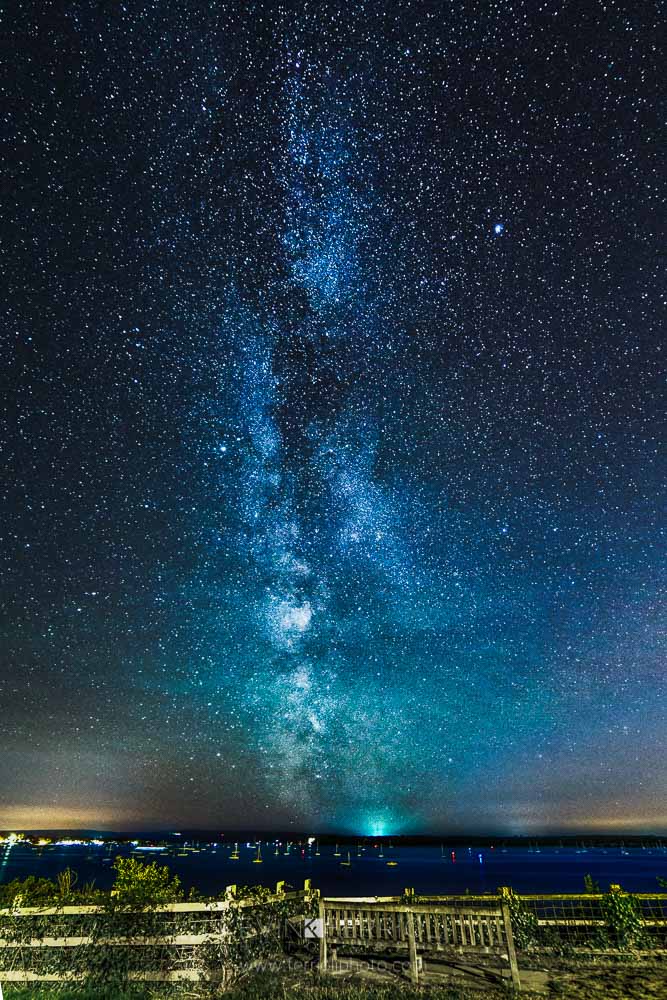
View of the Milky Way above the harbour from Evening Hill, Poole, England
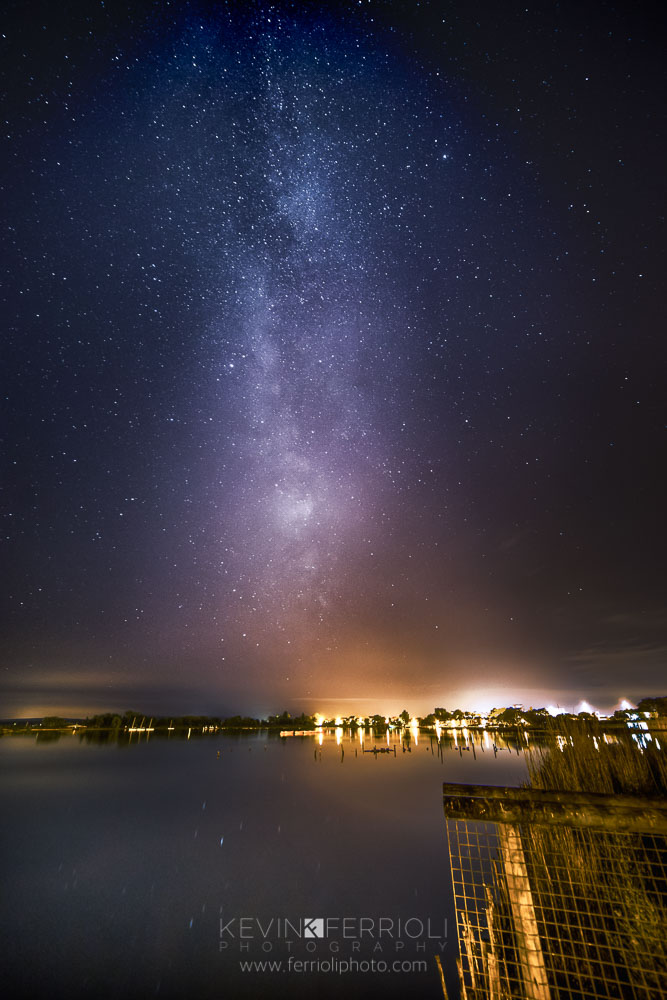
Poole Harbour has a special charm, and is well known for the most beautiful sunsets in Dorset. This post is about a face little known, Poole Harbour under the starry nights
Milky Way above Sandbanks bay, next to the sailing club. Poole, England.
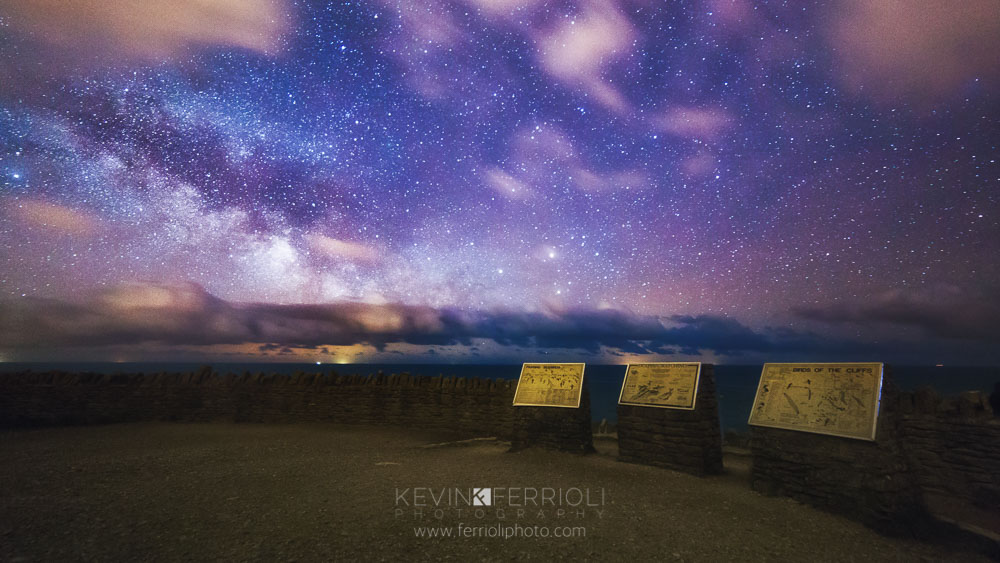
Views of the Milky Way from Durlston Country Park, Dorset, England.
Durlston Country Park is a 1.13 square kilometre (280-acre) country park and nature reserve stretching along the coast of the Isle of Purbeck at Durlston near Swanage in Dorset, England. The Park, which is part of the Jurassic CoastWorld Heritage Site, has been owned by Dorset County Council since the early 1970s and is mostly open access.
View points across the park with descriptions
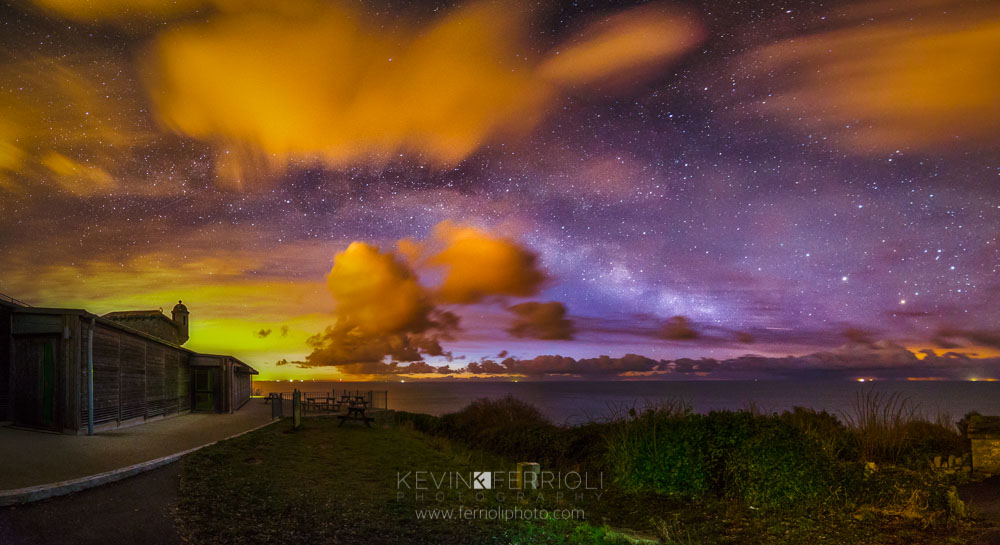
In 1887 George Burt, local constructor and business man who used to own Durlston estate, built a small ‘castle’ at Durlston Head, on the hill above Durlston Bay and the town of Swanage. The Durlston Castle was never a real castle, but was purpose-built to be used as a restaurant for his estate.
Durlston Castle
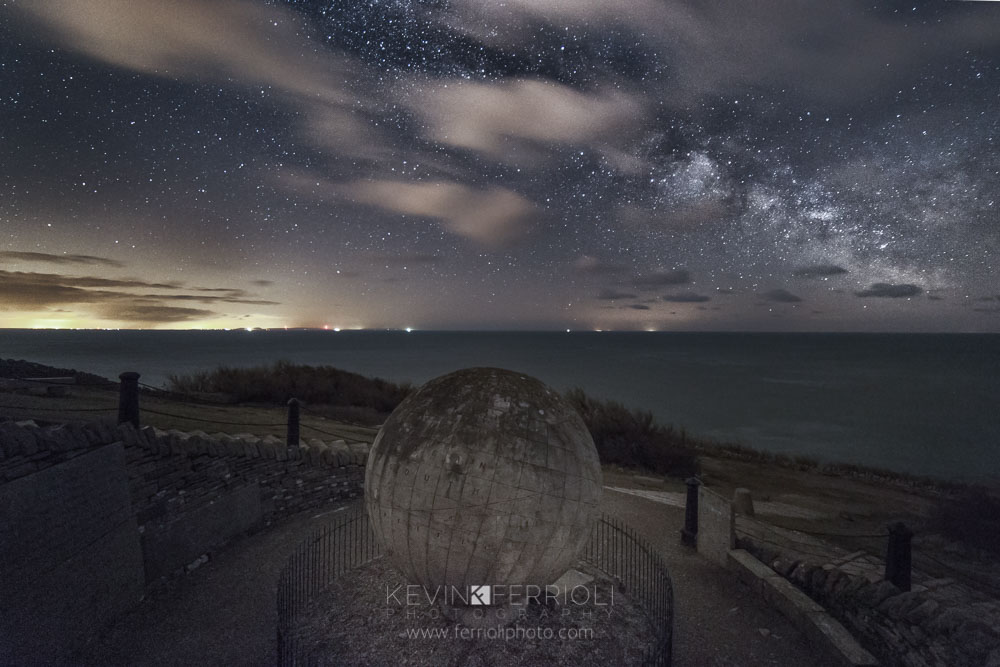
Burt also commissioned a 40-ton limestone Globe, three metres in diameter, engraved with an 1880s world map. The footpaths around the Castle and Globe are lined with cast iron London bollards which were left in Swanage having been used as ballast by the ships transporting stone to London. Other ornaments include plaques carved with quotations from Shakespeare and the Bible, maps showing the English Channel and the United Kingdom, and facts about the natural world.
The Globe, a 40-ton, 3 meter diamete sphere.
The globe is engraved with an 1880 world map
In the 19th and 20th centuries Purbeck was quarried for its high-quality limestone. There were few open-cast quarries, and none in Durlston, but there are many mine shafts across the landscape, notably Tilly Whim Caves in a dry glacial meltwater valley.
View of the Tilly Whim Caves
Most of the Park is designated Site of Special Scientific Interest and since 1997, a Special Area of Conservation. The majority is also designated as a Site of Nature Conservation Importance.
Durlston Country Park is one of the most inspiring places for photography in Dorset.
Hengistbury Head, an outstanding beauty day and night
Hengistbury Head is a headland jutting into the English Channel between Bournemouth and Mudeford in the English county of Dorset. It is a site of international importance in terms of its archaeology and is scheduled as an Ancient Monument.Declared a Local Nature Reserve in 1990, the head and its surroundings form part of the Christchurch HarbourSite of Special Scientific Interest.It is also a Special Area of Conservation, Special Protection Area, an Environmentally Sensitive Area and a Site of Nature Conservation Interest.
The head supports about 500 plant species which is a quarter of the national flora.
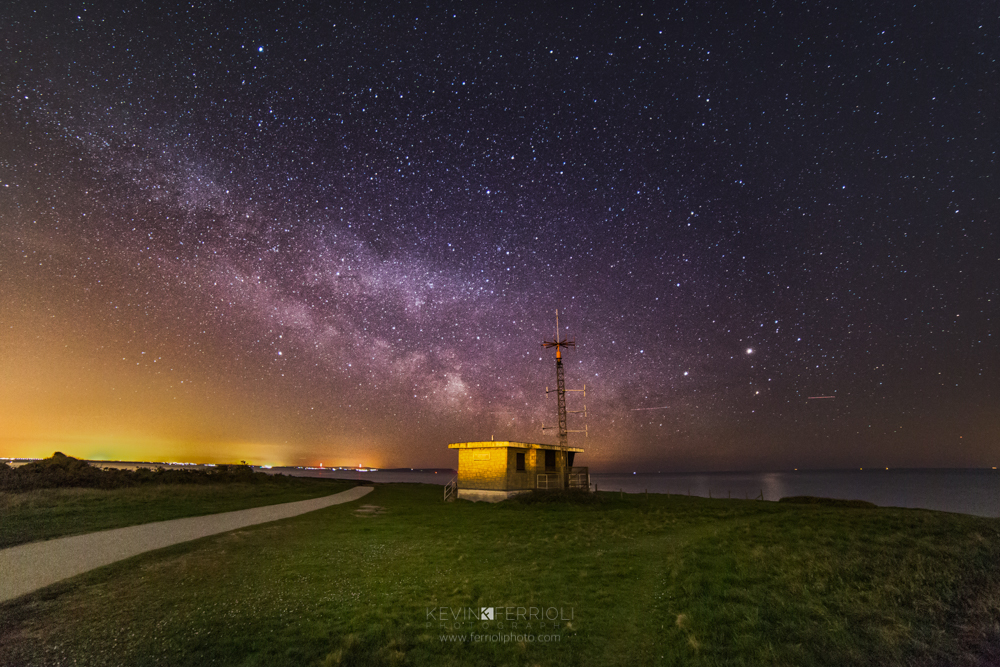
H.M. Coastguard Relay Station on the top of Warren Hill
The name “Hengistbury Head” refers to the immediate area; the elevated portion is called Warren Hill.
View of Christchurch Harbour from Warren Hill
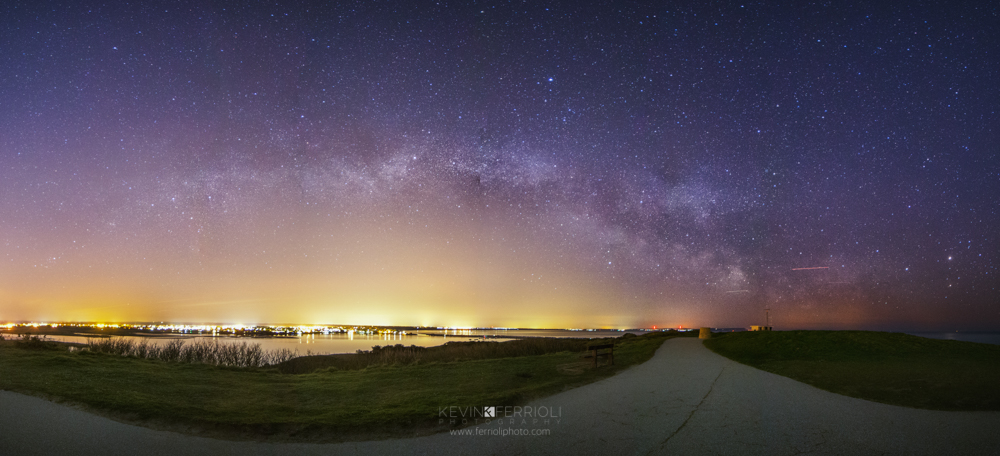
The area enjoy some beautiful dark spots where the Milky Way can be photographed with amazing detail
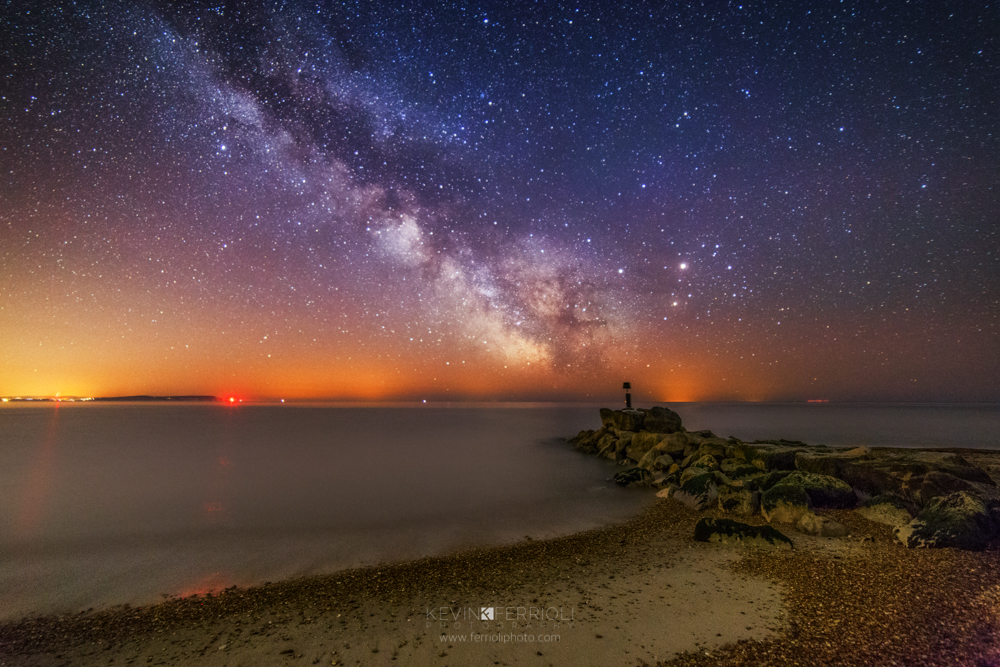
Groin constructed to reduce erosion of the head, lights of the Isle of Wight
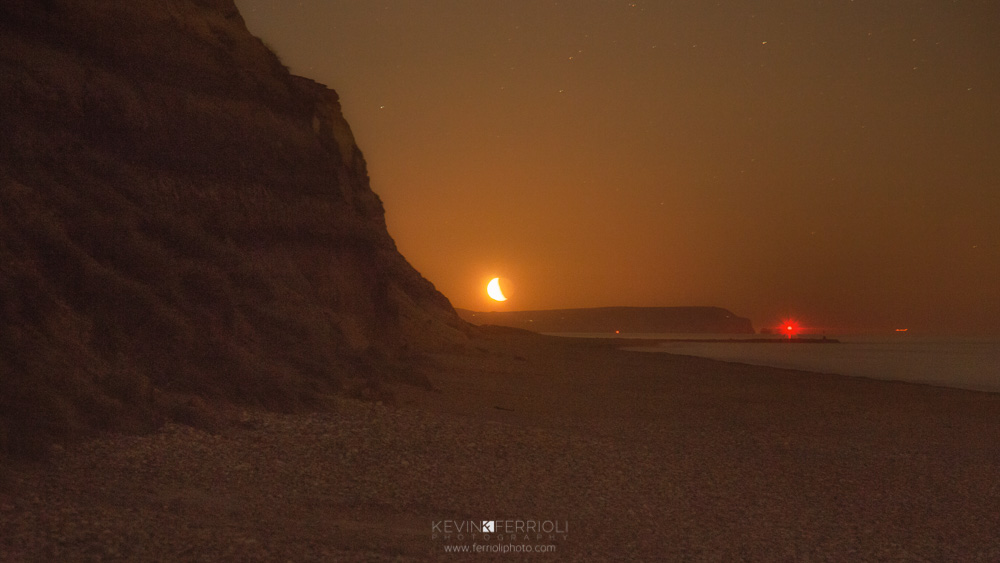
Enjoy the moon rising, giving the impression of a landscape from mars.


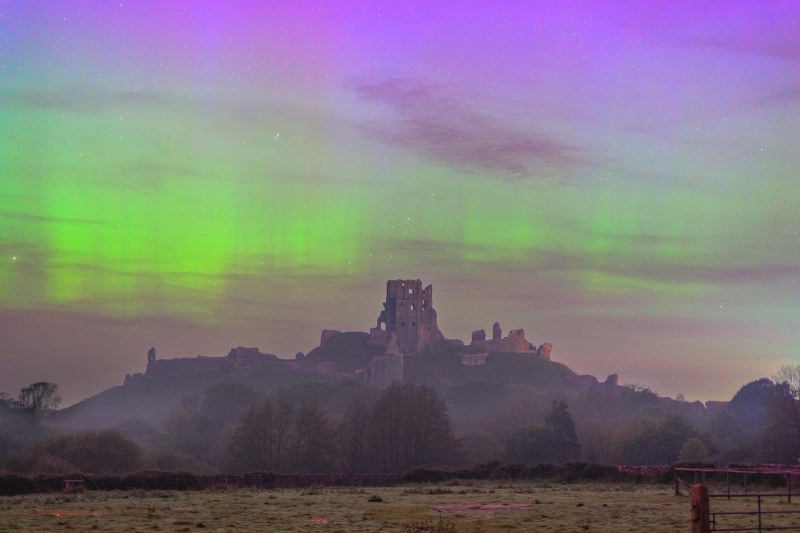
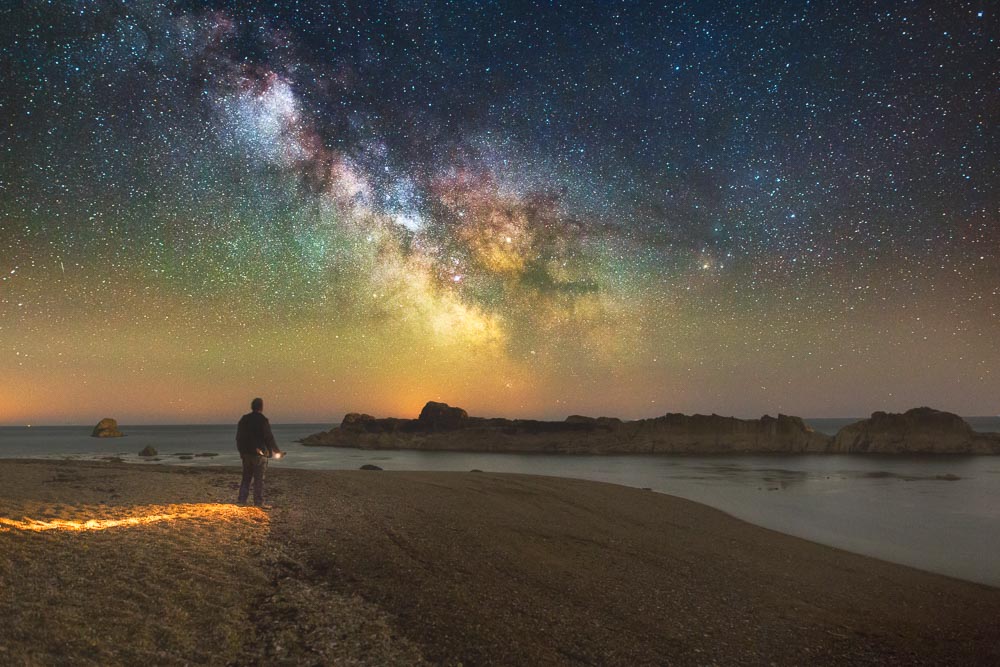


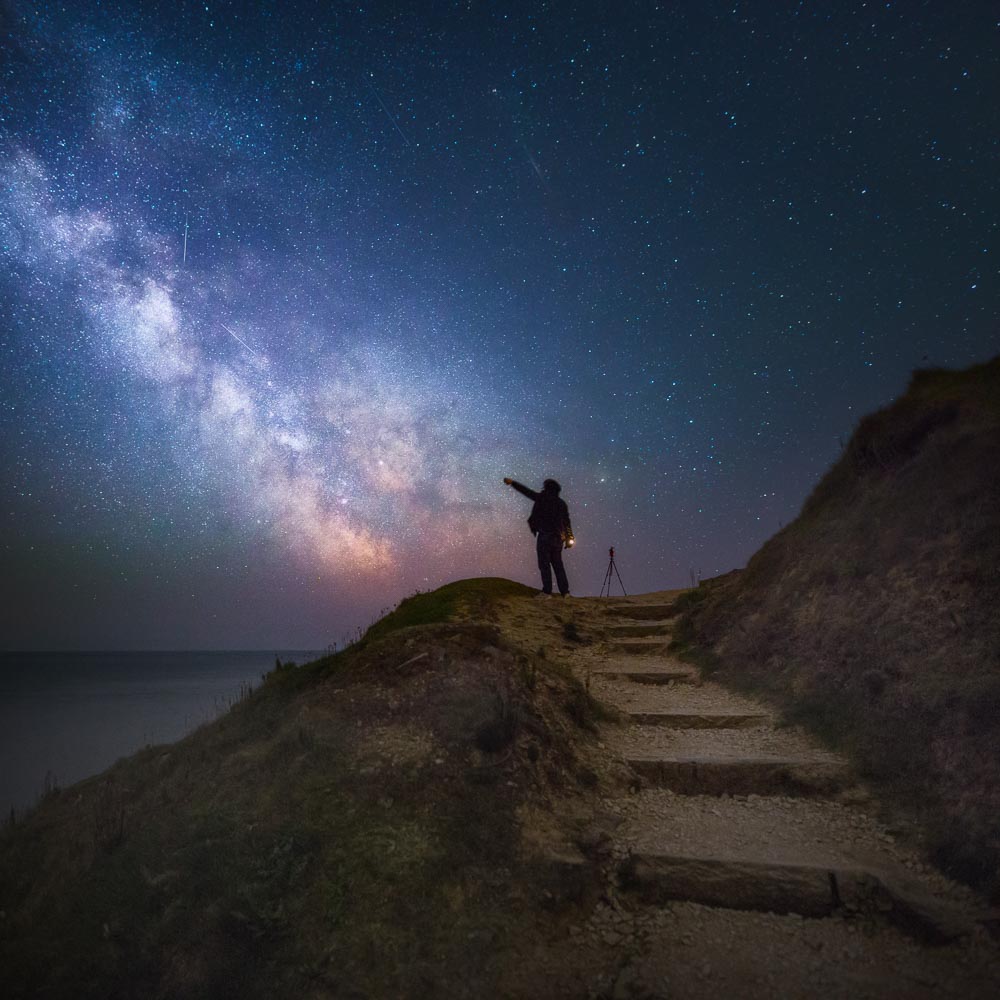

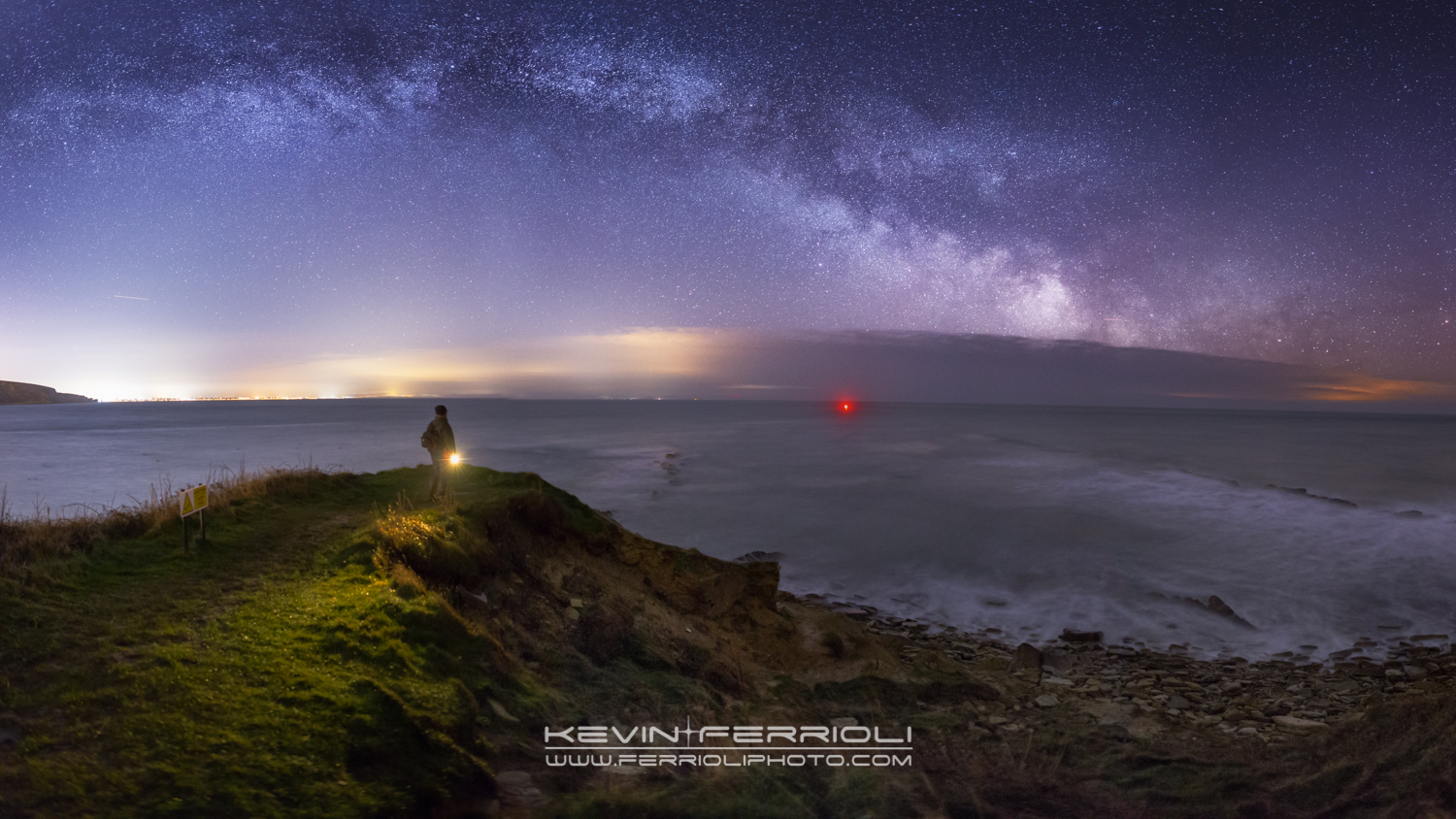

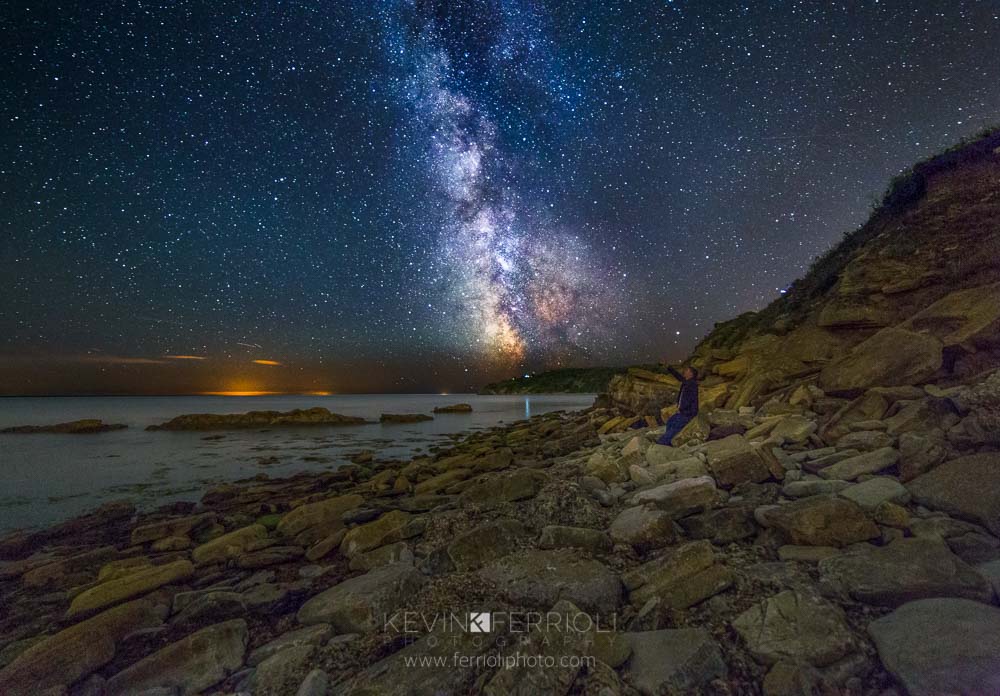


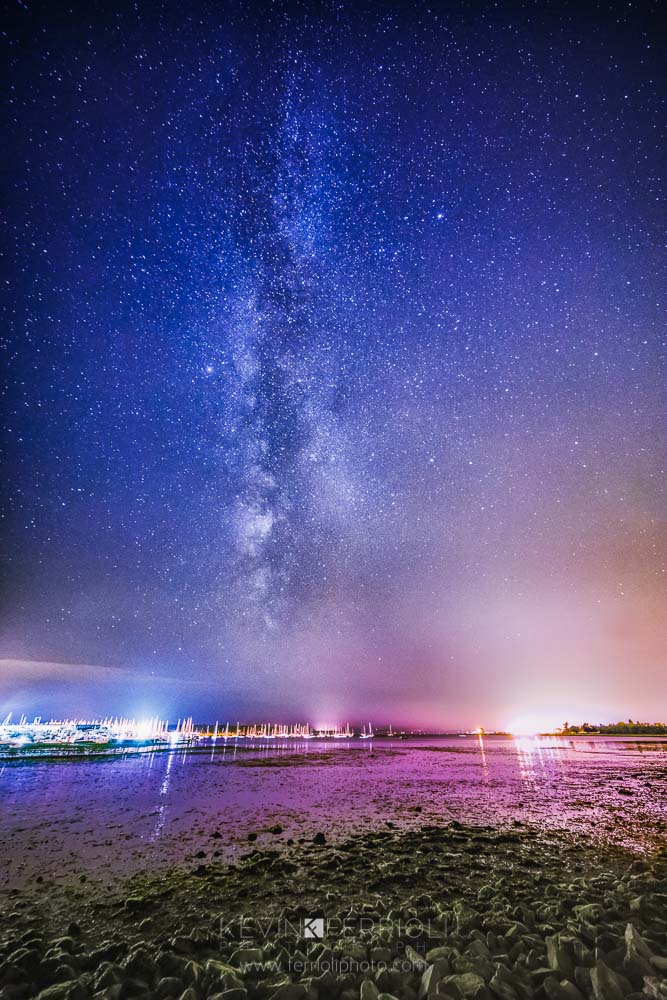






 Photography by Kevin Ferrioli
You must be logged in to post a comment.