
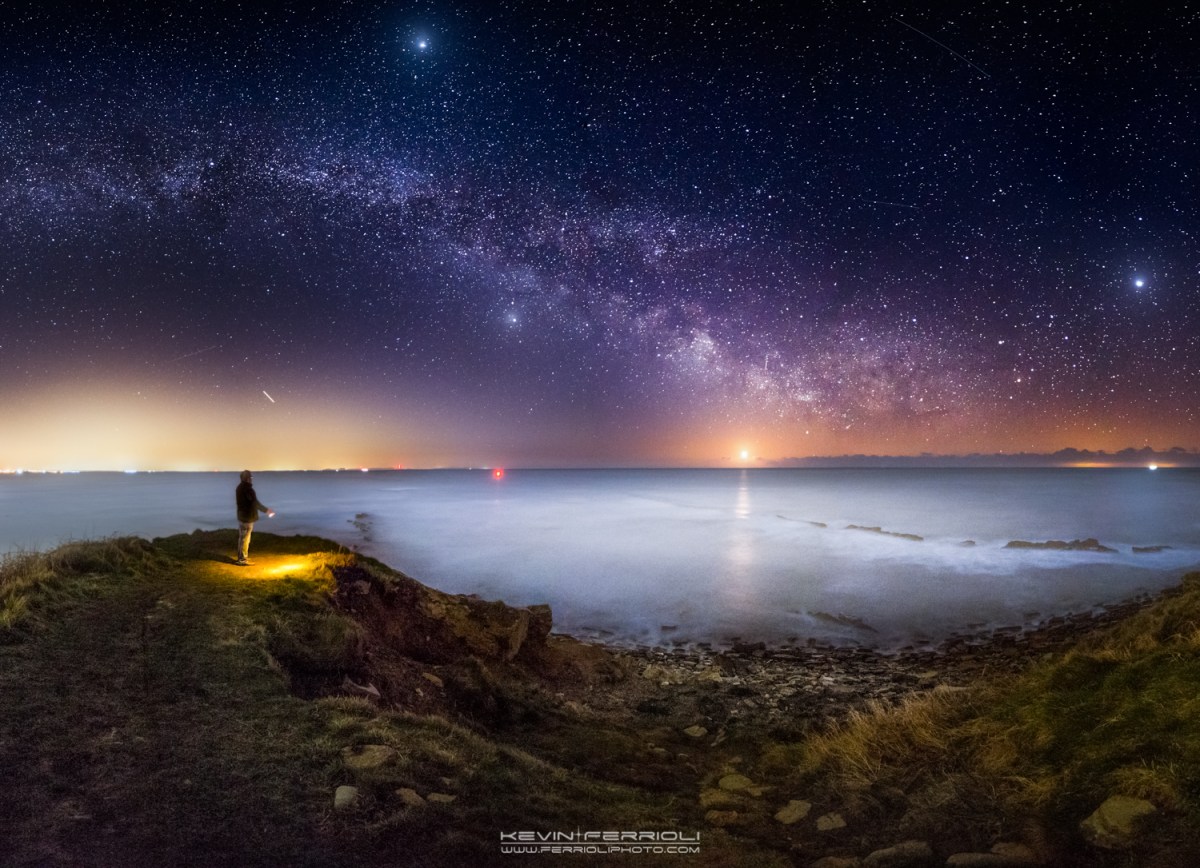
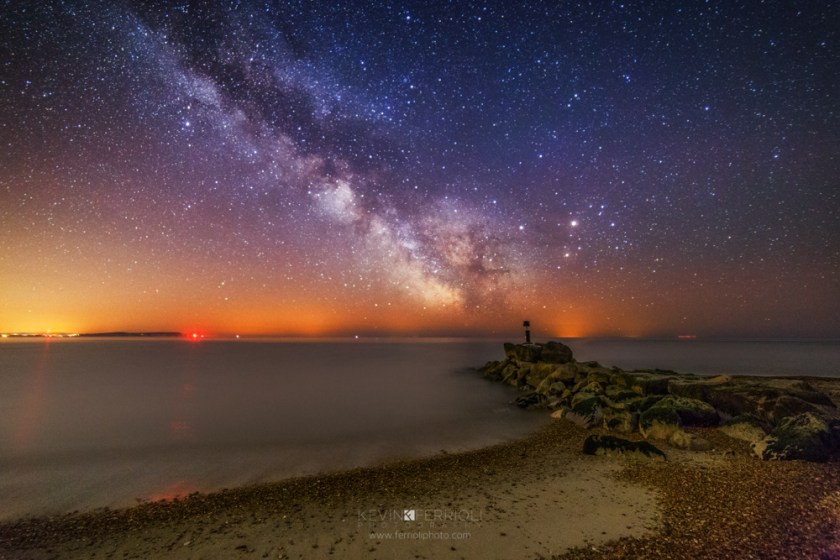
As I did last year, I went again to the same place for my first Milky Way, Peveril Point, Swanage, Dorset UK. For my previous attempt, I used a Sigma Art lens 20mm F1.4. The idea was to capture more detailed foregrounds. The lens proved to be excellent for low light but it has four major downsides: first, photos of the night sky taken with this lens were extremely difficult to edit. Second, it is not very good for panoramas, despite I used a nodal head. Third, the autofocus is the worst of any lens that I have ever owned, it is very difficult to capture a sharp photo even with the best light conditions. And fourth, the lens profile in Lightroom is terrible, it makes the images worse. I was not bothered by the astigmatism distortion of the corners which virtually disappeared in panoramas. Overall, I was not happy with the lens, I felt I wasted my last year trying to use it. So I went back to my trustworthy Samyang lens 14mm F2,8. Coupled with the Canon 6D, still my preferred choice. I have not tested the Sigma 14mm F2 yet, but given the price, I will stick with my Samyang.
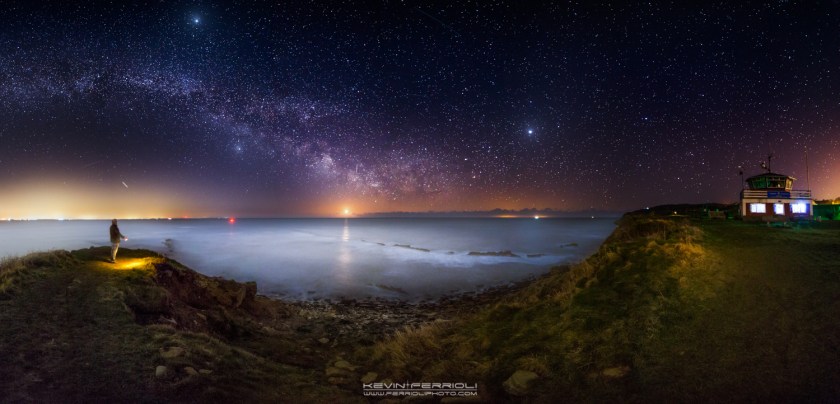
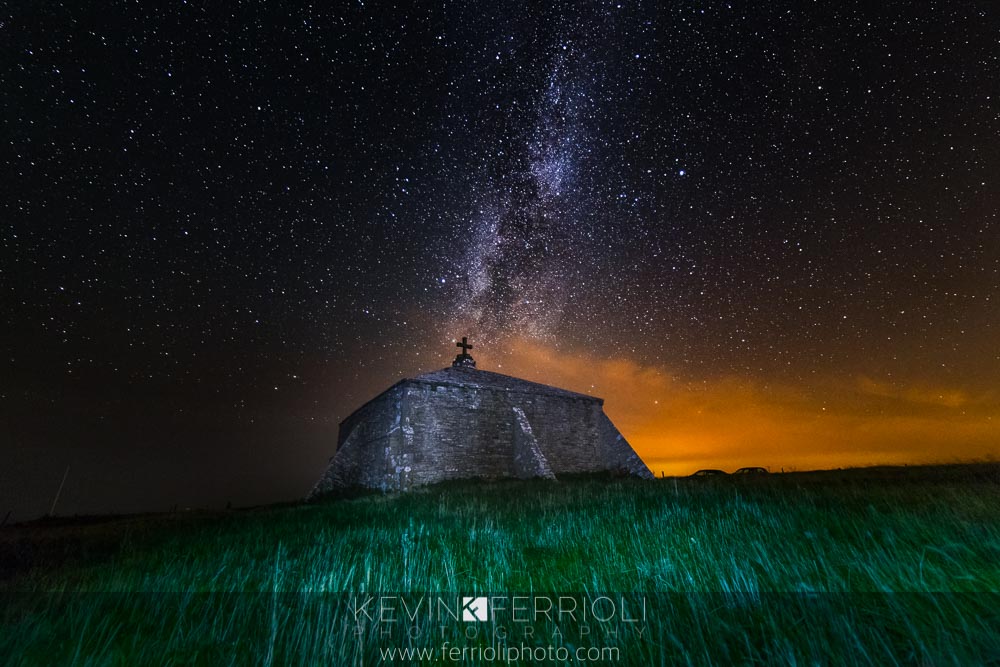
Below is the process used to create it. It is a panorama of 7 photos, Canon 6d and Samyang 14mm F2.8, ISO between 4000 and 5000. Each photo is 25 secs. Stitched in Adobe Lightroom.

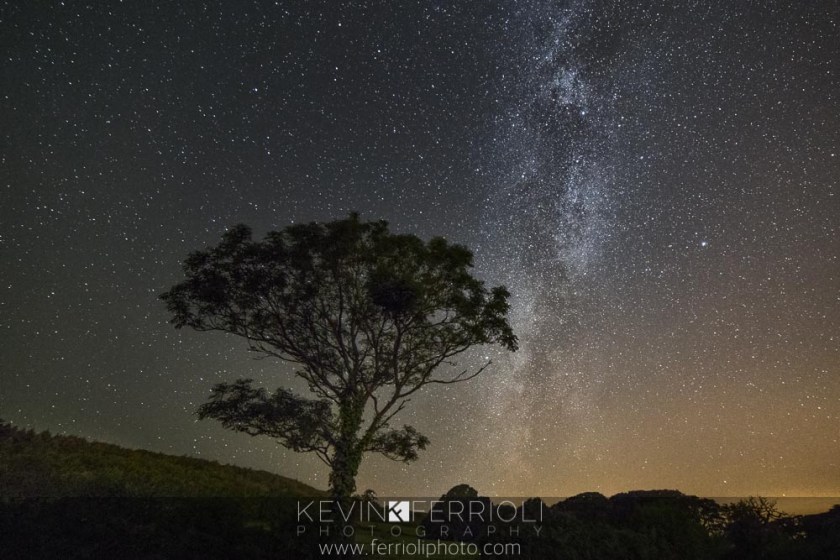
I also took another one without me, and here is the result:
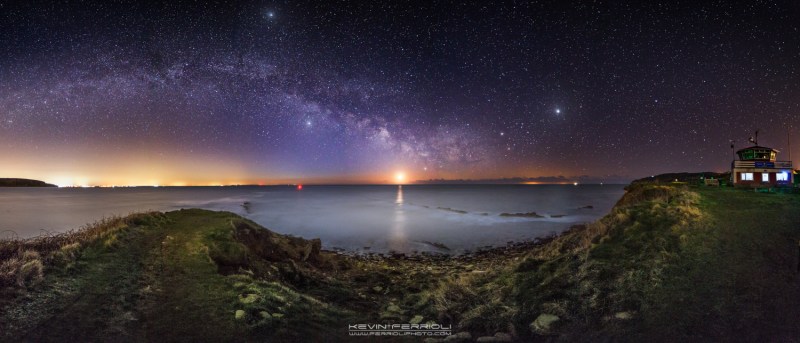
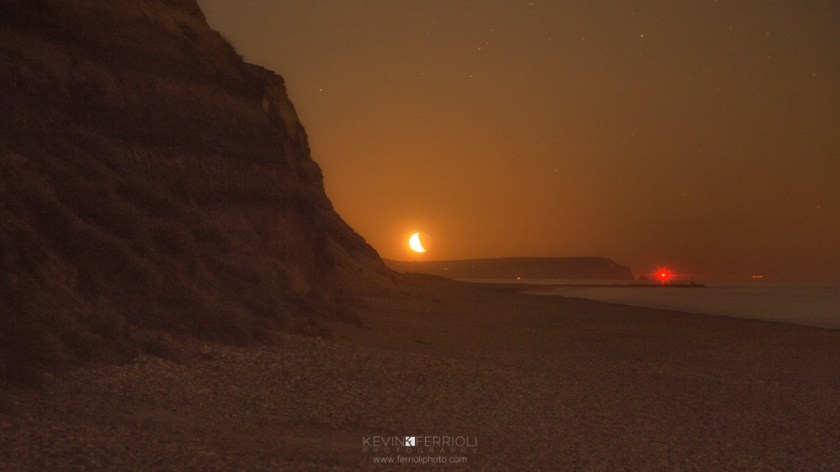
The moon rise was spectacular, one of the most beautiful rises from the sea, it was also so dim that allowed to capture the Milky Way up to the last minute before the astronomical dawn. Again, I thank you the nature for this beautiful experience.
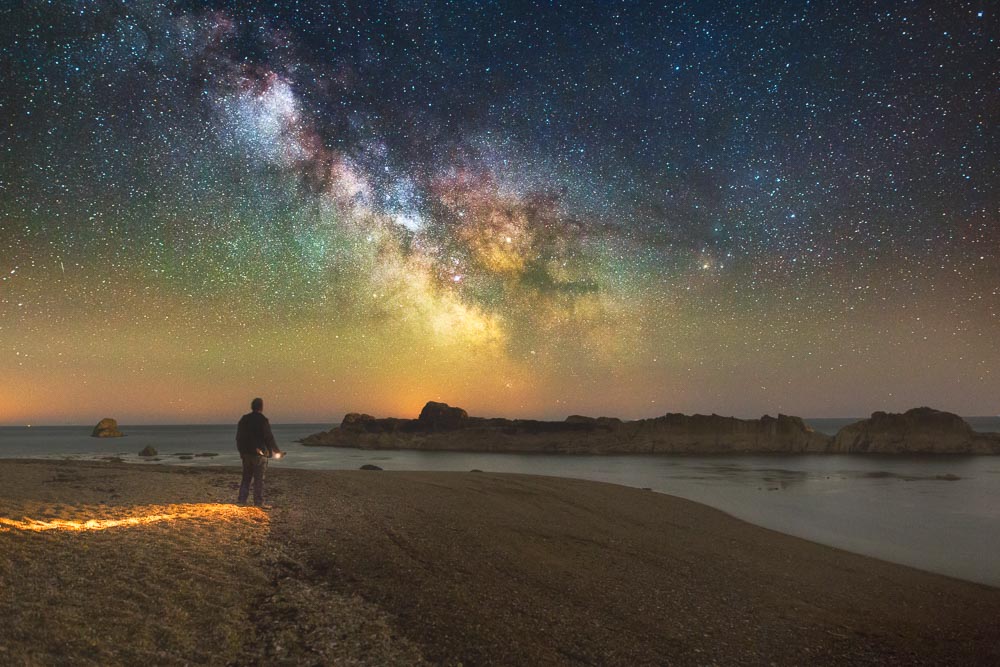


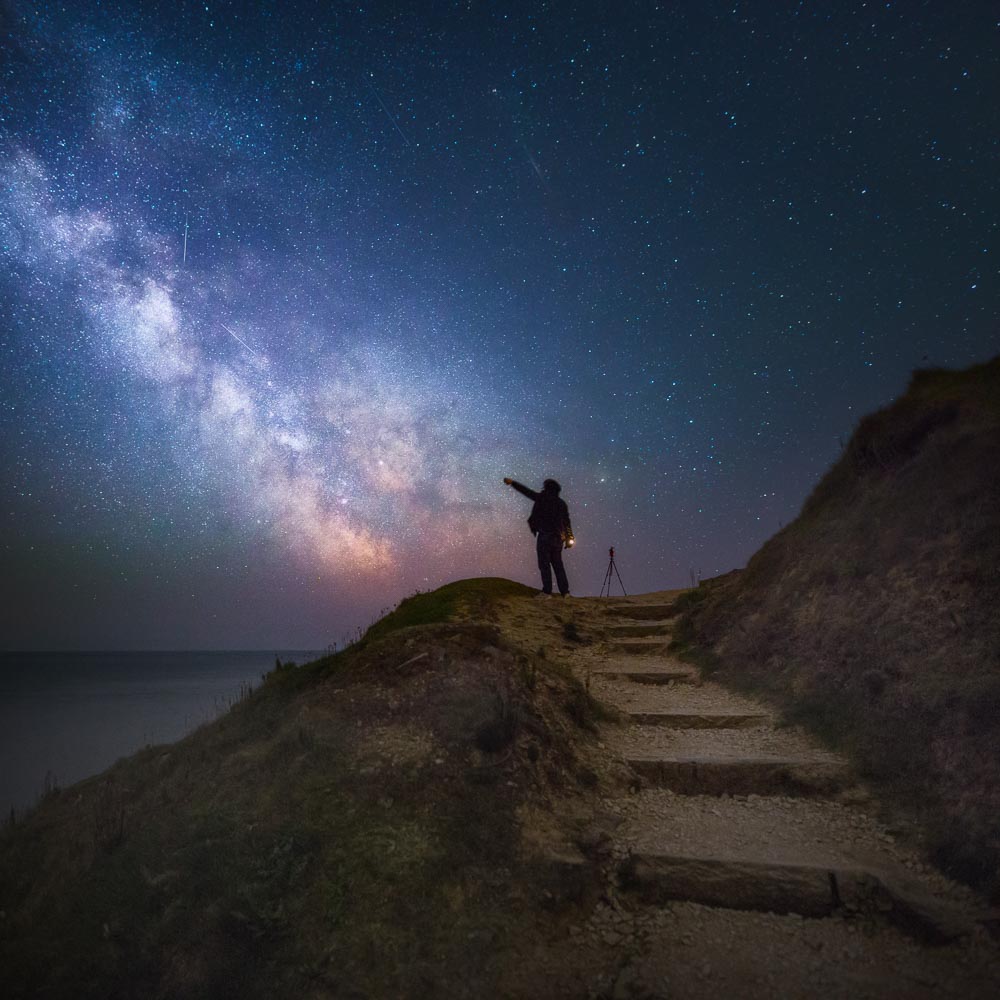


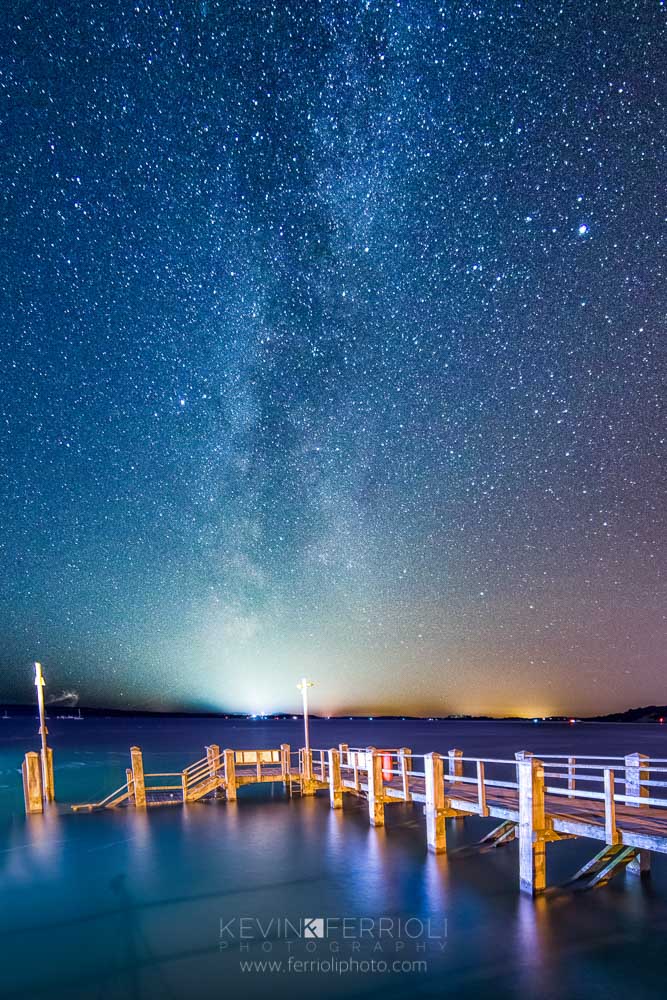
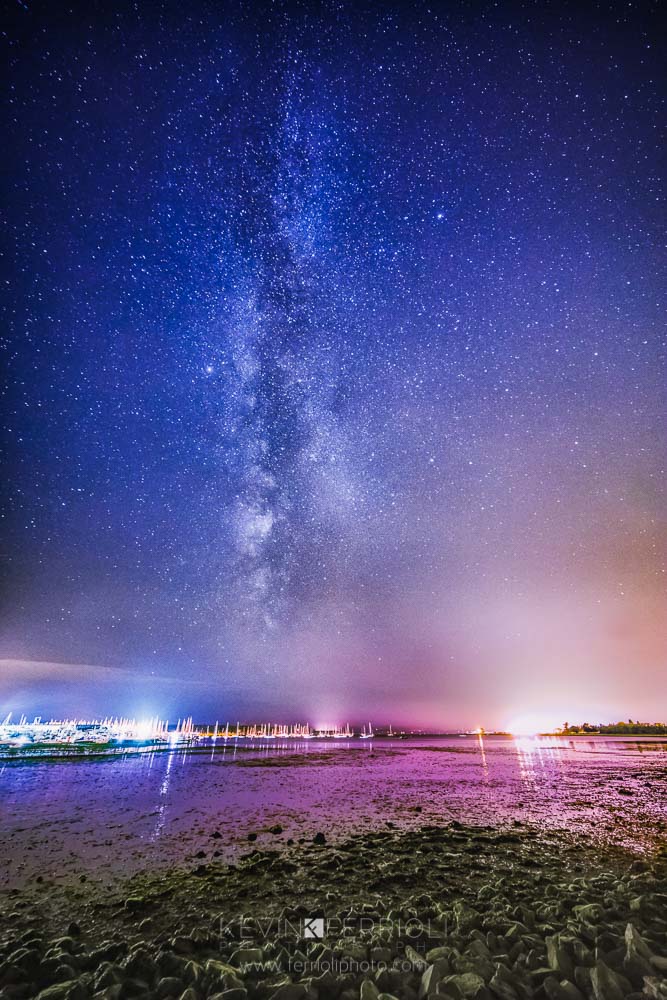

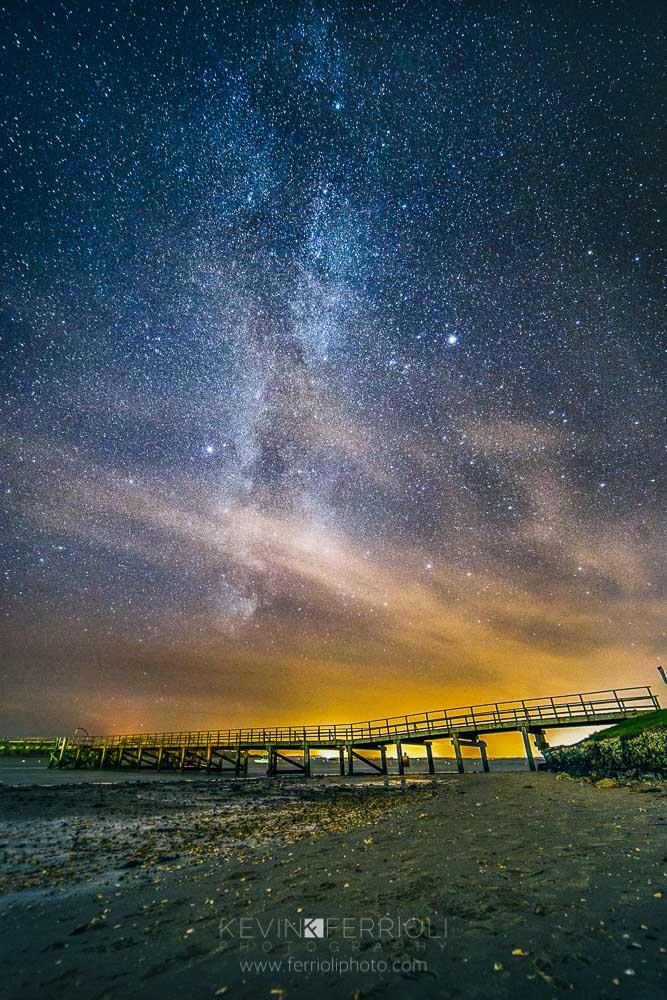

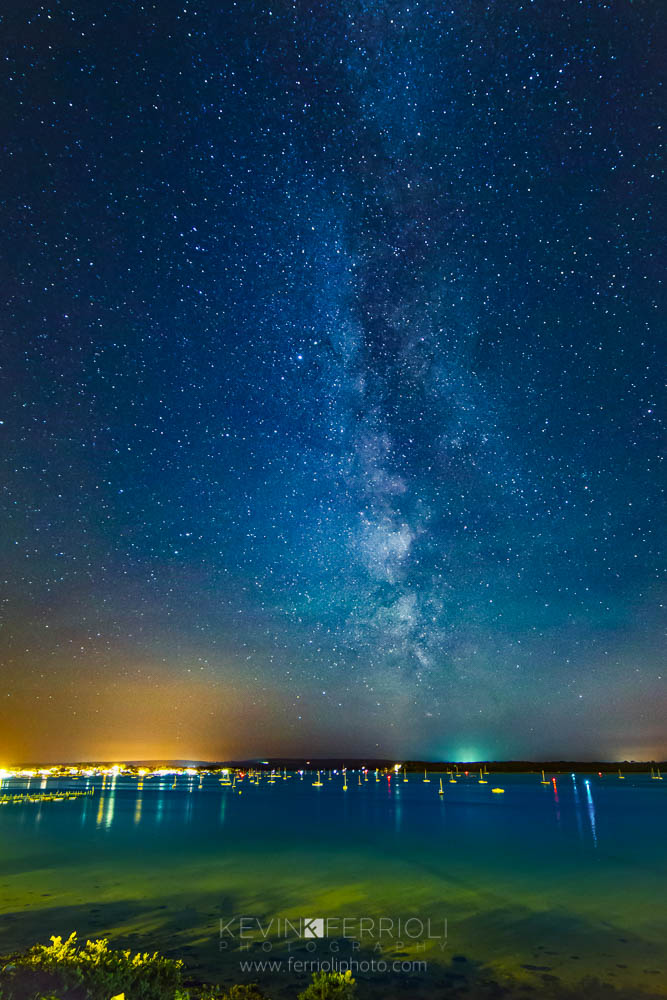

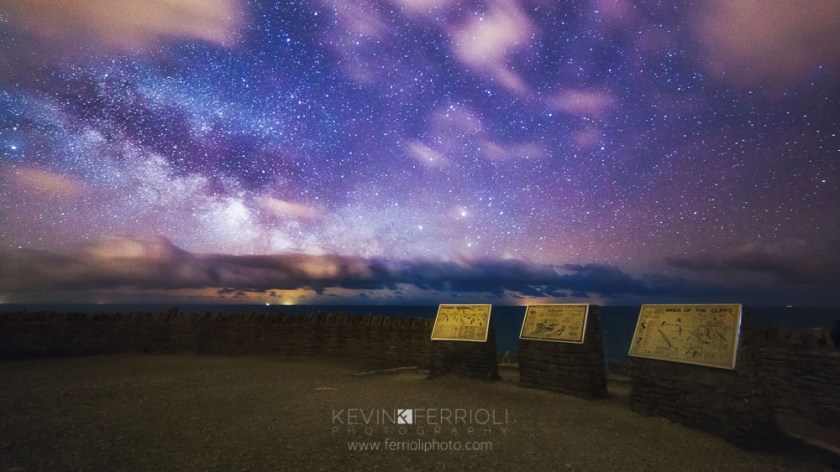
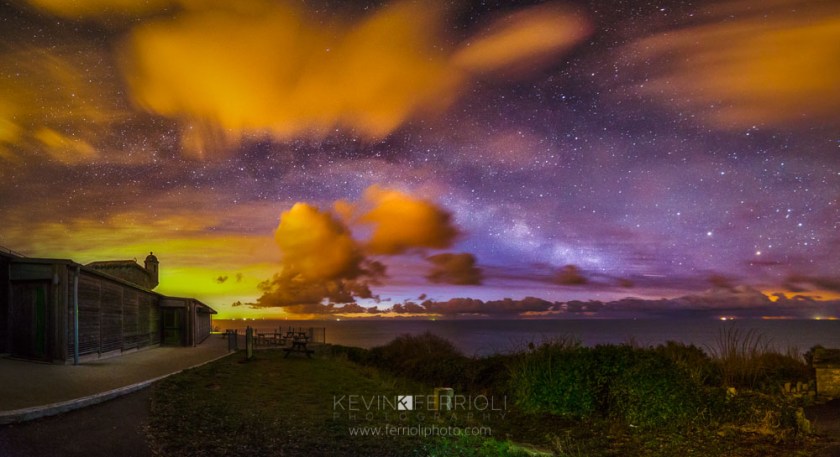
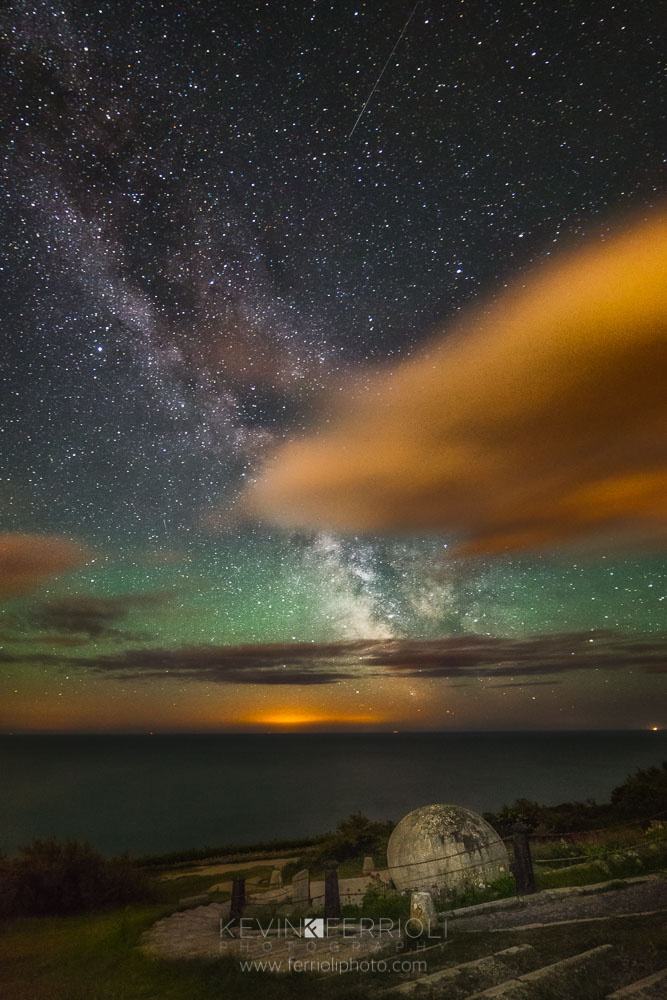

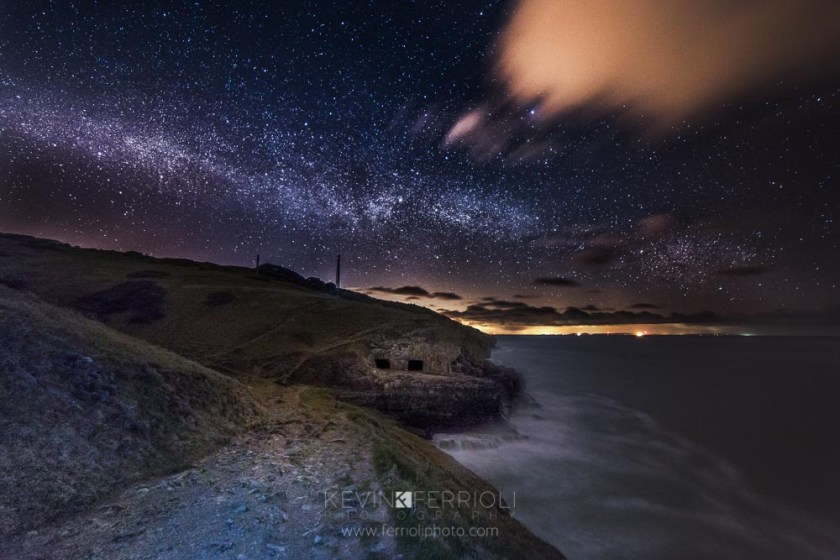


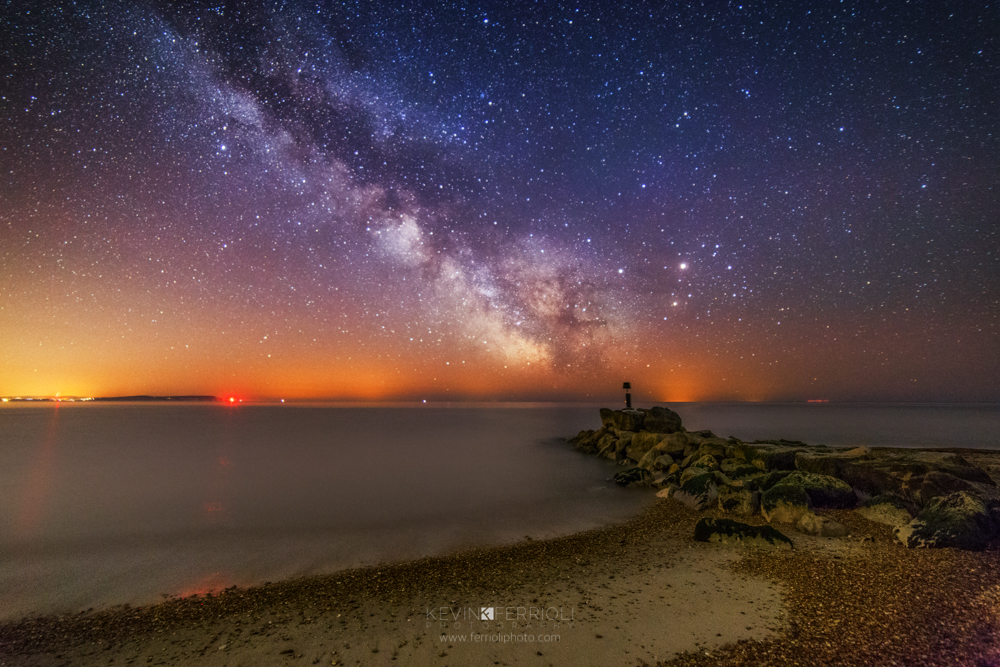

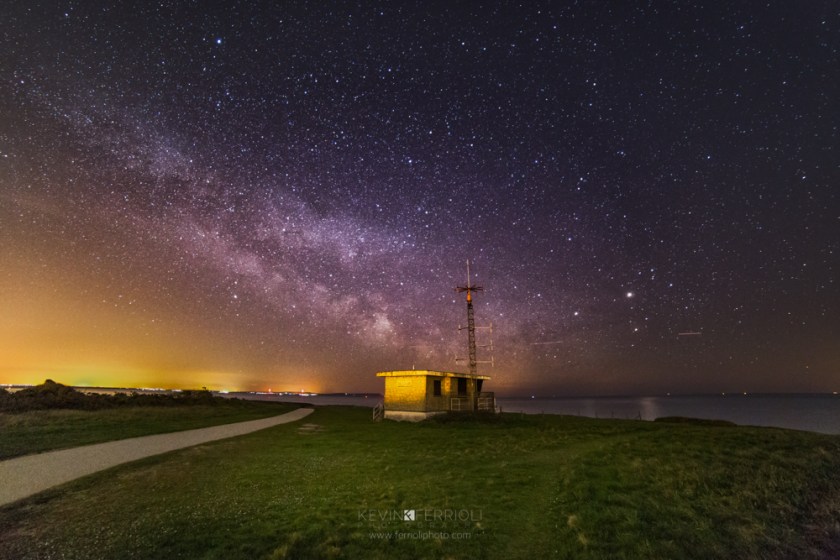
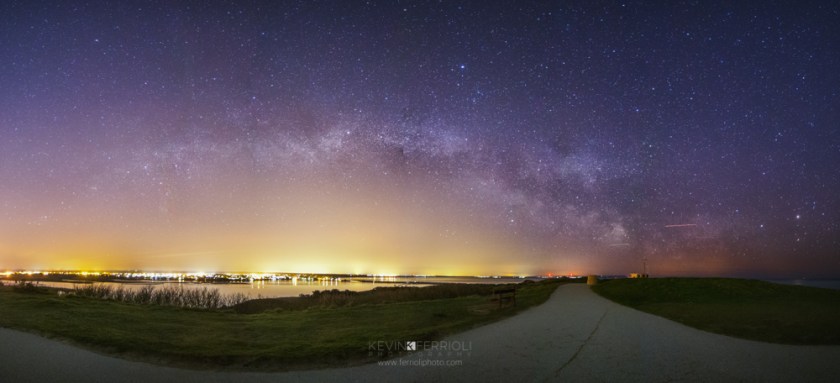
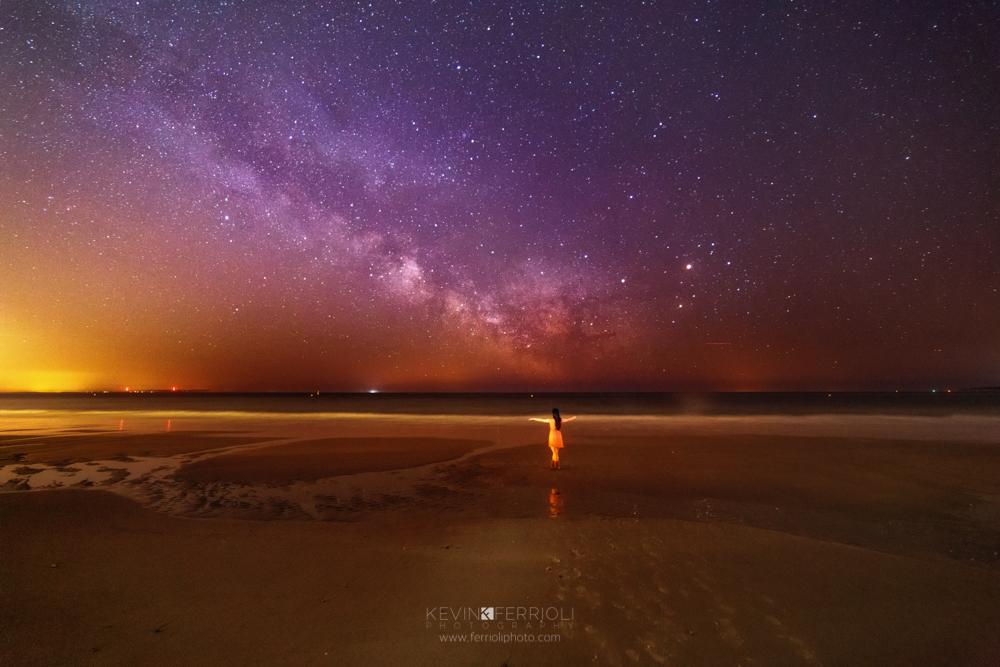
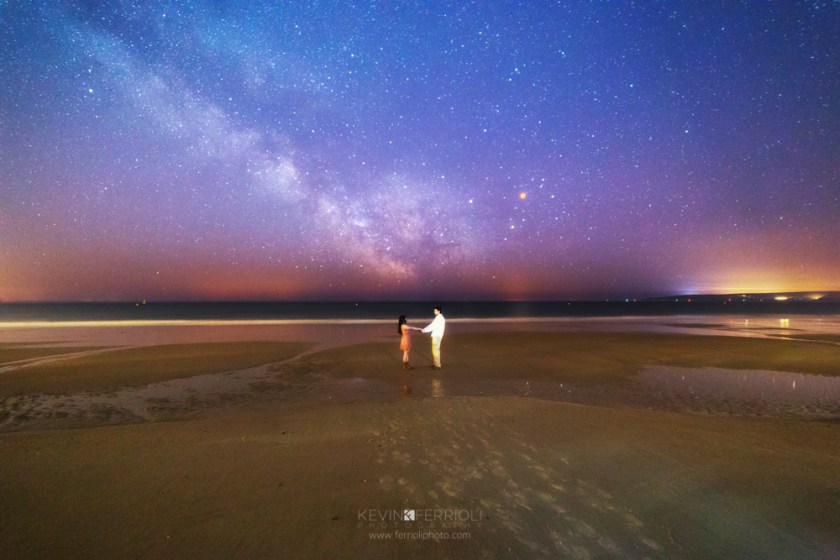 I was lucky to have a clear sky with a low tide at the same time…it was also a good opportunity to experiment some techniques using a flash and snoot to lighten up the subjects…
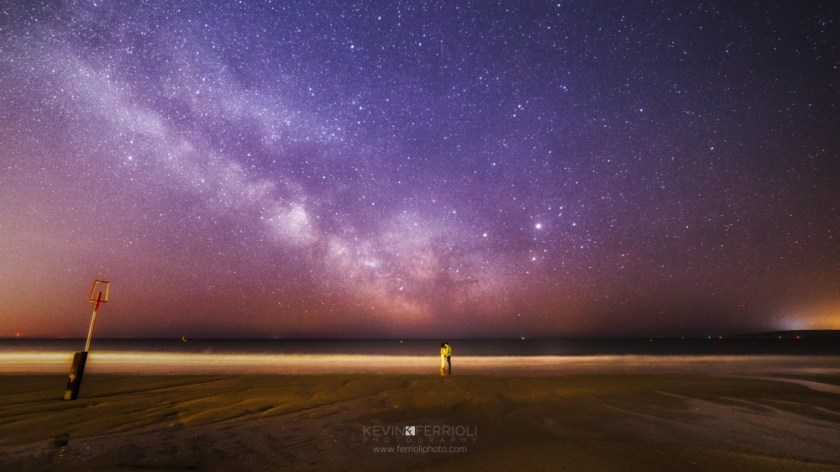 And also to combine some techniques derived from the photography of deep sky objects (like galaxies, nebulas, etc)…For the image below, I have taken one photo with the couple and then 24 more without moving the camera or changing the settings….It was about 6 minutes of info in total…Using Deep Sky Stacker (DSS) I have stacked the 24 images and then combined in photoshop with the very first image of the couple…the result is a detailed view of the galactic centre…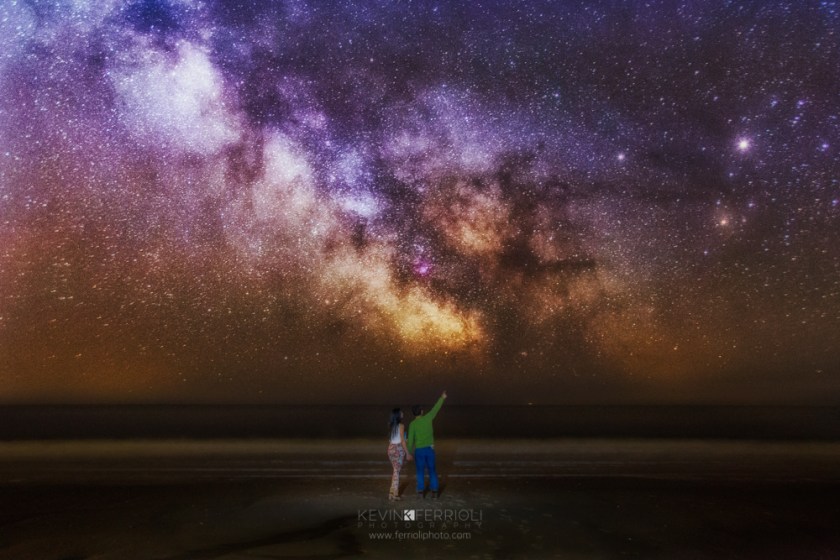

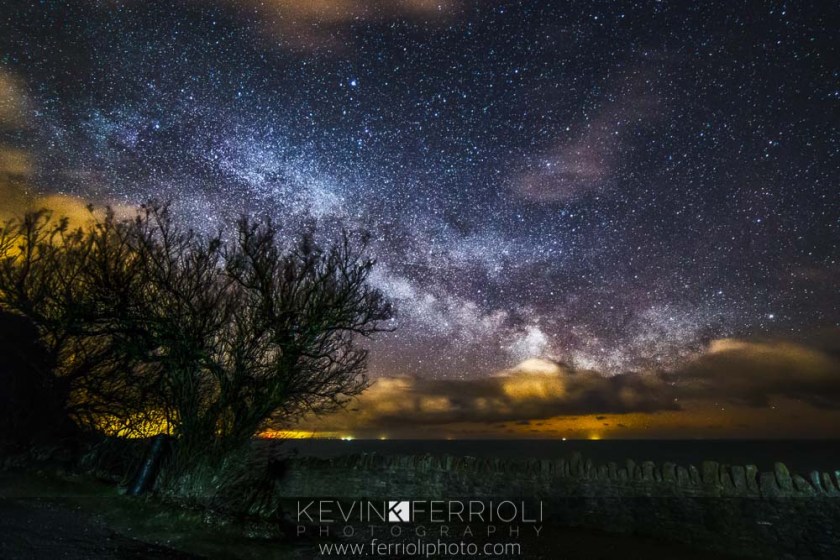
 Photography by Kevin Ferrioli
You must be logged in to post a comment.